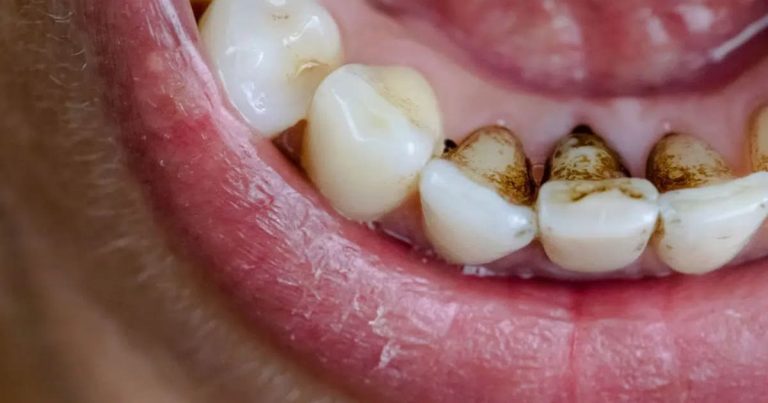
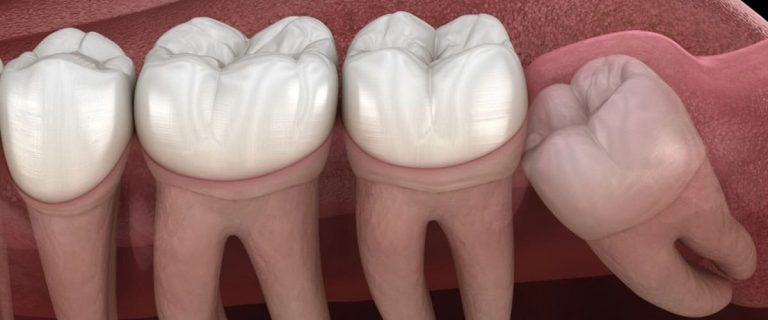
You may have just experienced a severe toothache, fracture, or sudden swelling, so let’s get straight to the point. First, stay calm, don’t touch the affected area, use a cold compress if it’s swollen, and if you have a knocked-out tooth, don’t throw it away and keep it in cold milk. If you have severe pain, bleeding, or swelling, don’t delay seeing a dentist and go to an Emergency Dentist right away if possible. You can call us at (604) 373-4877. We keep same-day slots free for dental emergencies.
If you need to know what to do during a dental emergency in Langley before you can visit a dentist, read on.
Diagnosis: Is Your Problem Really a Dental Emergency?
If you have the following symptoms and conditions, you definitely shouldn’t delay a visit to the dentist or the emergency room:
- knocked-Out Tooth: If the entire tooth is knocked out of its root, this is a serious emergency, and if you get there within an hour, the chances of a replant are high.
- Severe, constant, throbbing pain: Pain that doesn’t ease with painkillers and prevents you from sleeping or eating is usually a sign of infection or an abscess and needs immediate treatment.
- Severe tooth fracture: If the tooth is broken so that its sharp edges are hurting your mouth or you are in deep pain, you shouldn’t wait.
- Severe and unstoppable bleeding: If bleeding after an injury or tooth extraction doesn’t stop with sterile gauze pressure.
- Severe swelling of the jaw, face, or under the eye: This is usually a sign of an active and dangerous infection that can spread.
But if you have mild pain that can be controlled with painkillers or an old filling that has fallen out, it is usually not an emergency and you can make an appointment at your clinic in Langley for the next day or two.
Read more: Tooth Pain That Comes and Goes? Here’s When to See a Dentist
What to Do Before You Get to The Emergency Dentist?
Taking the right first steps can prevent the dental emergency in Langley from getting worse and even increase the chances of successful treatment. Below, we review the most important things you should do in different situations.
If You Have a Toothache
If you have a severe toothache, rinse your mouth with lukewarm water and gently floss to remove any debris from between your teeth. You can also use cold compresses and over-the-counter pain relievers to reduce pain and inflammation.
If a Tooth is Broken or Cracked
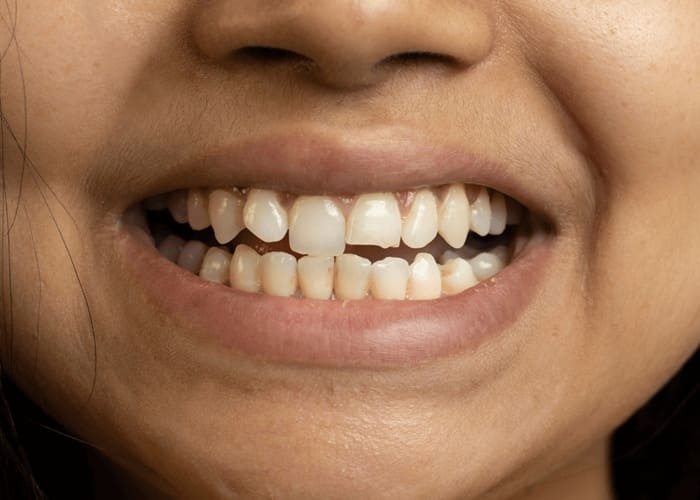
If you got a Cracked Tooth Dental Emergency, keep the separated pieces and rinse your mouth with lukewarm water. If there is bleeding, use sterile gauze and place a cold compress on the affected area to reduce swelling before getting to dental emergency in Langley.
If the Tooth is Completely Knocked Out
Only grasp the tooth by the crown (the white part) and avoid touching the root. If possible, put it back in place; Otherwise, soak the tooth in cold milk and see a dentist as soon as possible.
If Your Gums or Face are Swollen
Swelling is usually a sign of inflammation or infection and should not be ignored. Applying a cold compress can help reduce swelling, but if it is accompanied by fever, difficulty swallowing, or breathing, you should seek immediate medical attention and get to dental emergency in Langley.
If Bleeding from Your Mouth Won’t Stop
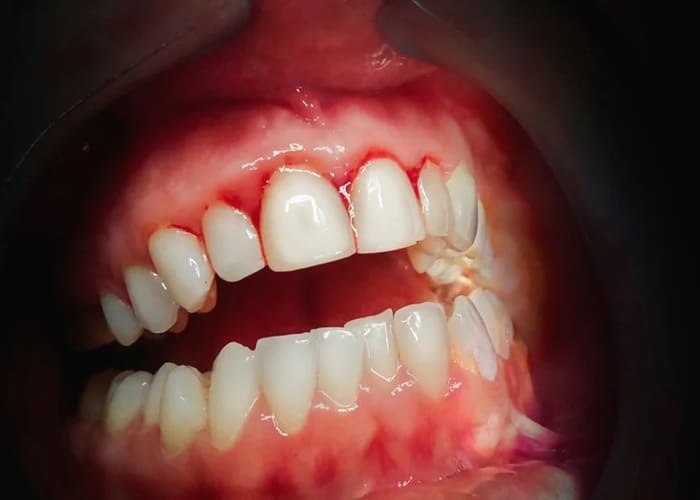
Place a clean sterile gauze pad over the bleeding site and apply gentle pressure for a few minutes. If the bleeding doesn’t stop after 10 to 15 minutes or is severe, you should see a dentist immediately.
If You See an Abscess or Infection
A pus-filled lump on your gum, throbbing pain, or a foul odor from your mouth could be a sign of infection. In these cases, you should not press on the area or drain it on your own, and you should see a dentist as soon as possible.
Step-by-Step Guide to Finding an Emergency Dentist in Langley
Now is the time to act. If you live in Langley (either in the City of Langley or the Township of Langley), follow these simple steps to find a reputable and fast dental emergency in Langley:
Need Urgent Dental Help in Langley? We’re Here for You
At My Dentist Langley, we provide fast and reliable emergency dental care to help you relieve pain and protect your smile as quickly as possible. Whether you’re dealing with severe tooth pain, swelling, or a dental injury, our team is ready to assist you.
All you need to do is contact us:
1. Assess the Severity of the Situation
If you are experiencing severe bleeding, extensive swelling, severe jaw injury, or difficulty breathing, call emergency services directly or go to the nearest medical facility.
For cases such as severe toothache, a broken tooth, or a tooth that has fallen out, a dental emergency in Langley is the best option.
2. Call Your Regular Dentist

The most logical thing to do is to call your dental office. Even if the office is closed, many dentists will leave an emergency number or specific instructions on their answering machine for weekends and evenings.
3. Search Smartly for Emergency Clinics in Langley
If you don’t have a regular dentist or their office is unavailable, immediately search Google for:
“Emergency Dentist in Langley” or “Walk-in Dental Clinic Langley”
When searching for Best Emergency Dentist Near You, look for terms like: Emergency Dentist Langley, Same-Day Dental Appointment, and Urgent Dental Care.
4. Check Reviews and Previous Patients
Take a quick look at the Google Reviews of the facilities you find. Read reviews that mention the word “Emergency” or “Pain.” See if previous patients were happy with the speed of the service, the staff’s response to emergencies, and the clinic’s financial fairness.
5. Call Before You Go
Make sure to call them before you head to the clinic. Explain your situation precisely (for example, “I have a broken tooth and I’m in severe pain”). This will allow the clinic receptionist to prepare the treatment room for you and minimize your wait time.
6. Bring Your Insurance Documents and Information
If you have dental insurance, have it ready. Also, bring a list of medications you take and any important medical history.
One of the biggest mistakes is hoping the problem will go away on its own. Dental infections and traumatic injuries tend to get more complicated and costly over time.
What Not to Do When Dental Emergency in Langley?

When the pain is severe, you may be tempted to do anything to relieve it; but some mistakes can make things worse. In an emergency, avoid doing these things:
- Overusing painkillers can harm your stomach and liver and won’t treat the root problem
- Warm compresses on swelling can worsen inflammation and infection
- Squeezing or draining an abscess can spread the infection
- Sudden pain relief may not mean improvement and can indicate worsening infection
Read more: Tooth Infection Emergency: Symptoms That Require Immediate Attention
When Should You See a Dentist Immediately, and When Can You Wait a Little?
To make the right decision easier, let’s go through a simple comparison table so you can clearly understand the timing of your action:
| Condition / Symptom | Immediate (Emergency) | Can wait until tomorrow (Non-Emergency) |
| Severe throbbing pain with fever | ✅ | |
| Continuous bleeding after tooth extraction | ✅ | |
| Crown falling off without pain or sensitivity | ✅ | |
| Gum swelling spreading toward throat or eye | ✅ (critical) | |
| Minor tooth fracture without severe pain | ✅ | |
| Broken orthodontic wire or bracket not injuring the mouth | ✅ | |
| Completely knocked-out permanent tooth due to trauma | ✅ | |
| Tooth abscess with pain and pus discharge | ✅ | |
| Jaw injury or suspected jaw fracture | ✅ | |
| Difficulty swallowing or breathing due to mouth/face swelling | ✅ (medical emergency) | |
| Mild wisdom tooth pain without swelling or fever | ✅ |
Very important note: If your facial swelling is so severe that you have difficulty swallowing saliva or breathing, do not wait for a dental appointment. Go immediately to the emergency department of the nearest hospital.
Prevent Emergencies!
Dental emergency in Langley may seem scary, but remember that most of these problems can be resolved very easily and without major complications with quick and timely action. Finally, we recommend that you prevent emergencies by having regular dental checkups. Visit our General Dental Services page to learn about our annual membership plans and special services.
FAQ
Does dental insurance in Canada cover emergency treatment costs?
Yes, many supplemental insurance plans cover some or all of the costs of emergency dental treatment.
Does my child’s baby tooth also need an emergency visit if it is damaged?
Yes, damage to a baby tooth can affect the permanent tooth underneath and should be evaluated.
If a tooth abscess drains on its own, do I still need to see a dentist?
Yes, draining an abscess does not cure the infection and it still requires evaluation and treatment.
Can I use leftover antibiotics at home to relieve pain?
No, antibiotics should only be taken as prescribed by a dentist and are not a substitute for primary treatment.
If I can’t find the tooth, should I still see a dentist right away?
Yes, the dentist should assess the damage to the gums, jaw, and adjacent teeth.
Will the tooth problem be completely resolved after emergency treatment?
Not necessarily; sometimes you’ll need a root canal, crown, or permanent filling to complete the treatment.
Have you ever experienced a dental emergency in Langley or are you unsure about your symptoms? Share your experience or ask your questions in the comments below. We’re here to help and guide you.