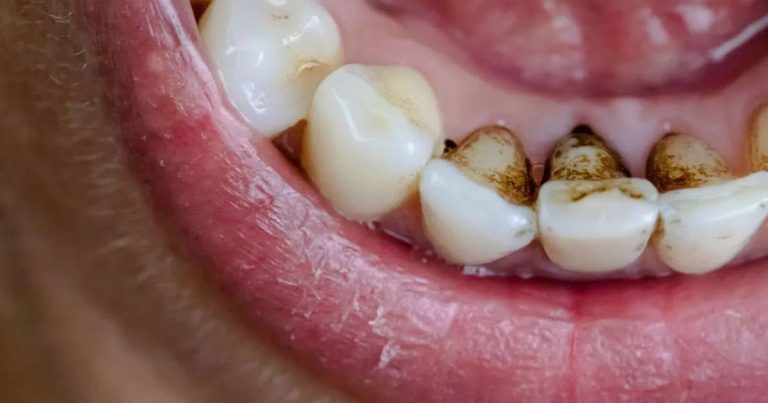
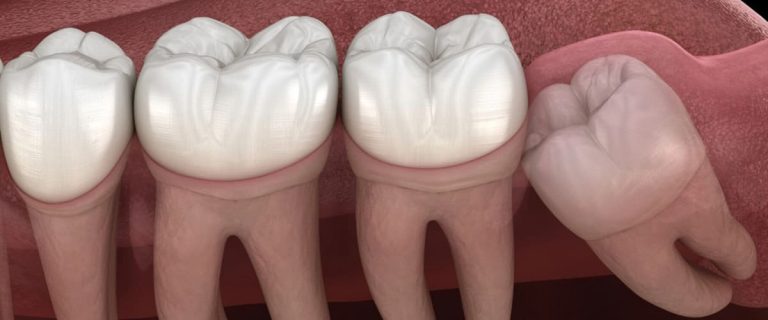
Is a cracked tooth an emergency? In some cases, yes, and in some cases, no! It all depends on the type of cracked tooth you have and the symptoms it causes. If you only see a tiny microscopic crack in your tooth with no other symptoms, you can schedule an appointment for the next day or two. However, if you have sharp pain and extreme sensitivity to hot and cold, we recommend considering it an emergency situation and seeing an emergency dentist as soon as possible. If you’re not sure which category you fall into, read on to learn about emergency and non-emergency cracked teeth, the warning signs, and how to treat them.
What is a Cracked Tooth and Why is it an Emergency?
Your tooth is made up of three layers: hard enamel (the outer, protective layer), dentin (the inner layer with microscopic channels), and pulp (the living center of the tooth, which contains the nerve and blood vessels).
When the enamel cracks due to impact or temperature changes, the crack can reach the dentin or pulp. In this case, oral bacteria can travel deep into the tooth and cause an infection. If left untreated, this infection can lead to an abscess and eventually permanent tooth loss, so never ignore a cracked tooth dental emergency.
What are the Signs of a Cracked Tooth Dental Emergency?
Diagnosing a cracked tooth can sometimes be challenging, even for dentists. However, if you notice the following symptoms, don’t ignore them.
- Sharp, sudden pain when chewing: This is the most common symptom. When you bite down on food, the pressure causes the edges of the crack to spread apart, pressing on the nerves inside the tooth.
- Extreme sensitivity to cold and heat: Sharp pain and sensitive teeth when eating ice cream or drinking tea are other possible symptoms.
- Vague and wandering pains: Toothache coming from a cracked tooth can also shoot into the jaw, ear, or adjacent teeth, making you confused about where the pain is coming from.
- Swelling of gums in a specific area: If the gums around a specific tooth become swollen or red, it means that the infection has spread through the crack to the tissues supporting the tooth.
If you have just one of these symptoms, don’t wait. Delaying treatment can turn a cracked tooth dental emergency into a tooth infection emergency.
Types of Tooth Cracks and Their Urgency

Tooth cracks come in different levels, and not all of them are equally serious, but you need to know which ones require immediate attention. We usually divide these cracks into five types:
1. Craze Lines

Small, shallow lines on the enamel that almost everyone has as an adult. They are not painful and usually do not require treatment, but they should still be seen by a dentist to be sure. If the problem is only superficial, a simple polishing can fix it.
2. Fractured Cusp

When one of the chewing ridges (cusps) of a tooth becomes weak, part of it usually breaks or cracks. This type of crack usually does not cause much pain because it does not reach the nerve, but it should be repaired quickly.
3. Cracked Tooth

A cracked tooth is one where the crack extends from the chewing surface to the root. The crack may not have split the tooth in half yet, but it definitely involves the pulp and requires immediate treatment.
4. Split Tooth

This condition is actually the result of neglecting a cracked tooth. In this case, the crack has continued so long that the tooth has become two separate parts. In this case, the entire tooth usually cannot be saved, but sometimes a part can be saved.
5. Vertical Root Fracture
Unlike the others, this type of crack starts at the root of the tooth and moves upwards. Statistics show that this type of fracture occurs more often in teeth that have previously been extracted and are a little more fragile due to the lack of blood vessels.
Among these 5 categories, the first two are not emergencies but should not be ignored; for the next three, try to see the dentist on the same day.
Think Your Cracked Tooth Needs Urgent Care?
Sharp pain when biting, sudden sensitivity, or swelling around a tooth can signal a crack that needs prompt attention. Contact My Dentist Langley to have the tooth assessed before the damage gets worse.
First Aid Before You Get to the Dentist
When you notice a cracked tooth, don’t panic. What you do in the first few hours can make a big difference in saving your tooth. Remember these simple steps:
- Stay calm and rinse your mouth: Gently rinse your mouth with lukewarm water to dislodge any food particles.
- Hold the broken piece: If a piece of tooth has broken off, find and bring it to the appointment. Your dentist can sometimes reattach it.
- Control swelling: If your face or lips are swollen, apply a cold compress to your cheek, externally and intermittently.
- Control pain: You can use over-the-counter pain relievers, such as ibuprofen or acetaminophen, as directed on the package.
- Avoid chewing on that side: Eat soft foods and use the other side of your mouth until your appointment.
- Call right away: Call the office and tell them you have a cracked tooth. Many offices offer same-day appointments for emergencies.
If you have severe facial swelling, fever, or bleeding that won’t stop along with the crack, go to the emergency room right away.
Related post: Dental Emergency in Langley? Here’s What to Do
What to Expect after you Visit the Dentist?

When you visit us at Langley Dental Group for a cracked tooth, you will have two steps that will not cause you the slightest stress.
Step 1: Diagnosis
In the first step, Dr. Eman Moradi will examine your condition. Dr. Moradi is a Certified Specialist in Endodontics and Fellow of the Royal College of Dentists of Canada (FRCD(C)), with more than two decades of clinical and academic experience in endodontics. He completed his specialty training in Endodontics at the University of Toronto in 2017. His clinical expertise includes the diagnosis and management of cracked teeth and complex endodontic cases, and he has served as an Assistant Professor at the UBC Faculty of Dentistry since 2018.
We will use methods such as radiography, tooth staining, or Transillumination to identify the crack. If necessary, we will even prescribe a dental CT scan (CBCT) to be completely sure of the condition of your tooth.
None of these methods are painful, so don’t worry.
Step 2: Choosing a treatment
Once the type and depth of the crack are determined, the dentist will recommend one of these paths, depending on your condition:
Bonding or composite restoration
For small, superficial cracks, dental bonding is a good solution. The dentist will place a tooth-colored material on the crack and harden it with a light. It is usually completed in one appointment.
Crown or Inlay
For teeth with larger cracks, a ceramic or zirconia dental crown is placed on the tooth to prevent the crack from opening under the pressure of chewing.
Root Canal and Veneer
If the crack has reached the pulp and the nerve is inflamed or infected, the dentist will first remove the damaged tissue by performing root canal therapy, clean and fill the canals, and then place a crown.
Tooth Extraction
In the case of a vertical root fracture or a severely cracked tooth, sometimes extracting the tooth and replacing it with an implant or bridge is the only option.
Remember that the final decision is made with you. Ask, compare the options, and get a second opinion if necessary.
What happens if you delay treatment?
Teeth, like bone, don’t heal themselves, so don’t just assume that it will heal on its own. If you delay treatment, the small crack will grow larger and deeper day by day under the constant pressure of chewing. Eventually, the crack will reach the central nerves of the tooth, causing a root infection and leaving you with unbearable pain and a dangerous jaw abscess. Ultimately, you will lose your tooth and your costs will multiply.
How to protect your teeth from cracks?
To avoid the problem of cracked teeth, Dr. Nazanin Gerami suggests a few tips to follow.
- Never use your teeth as a tool to open or break anything!
- If you have a habit of grinding your teeth while sleeping (bruxism), be sure to ask your dentist to make you a night guard.
- If you play high-impact sports, it is essential to use a sports mouth guard.
- Stop eating ice. This is one of the main causes of fatal cracks in tooth enamel.
In addition to all this, take regular visits to the dentist seriously. Many times, cracks in the teeth do not have any symptoms in the early stages, but the dentist will notice them. For more information, read the post: How Often Should Langley Families Visit the Dentist.
Conclusion
Cracked teeth are not scary as long as you see the symptoms as soon as possible. Also, if your symptoms are accompanied by pain and fever, go to the first emergency dentist or emergency center. Finally, you can prevent these problems with regular dental exams & checkups, even if you do not see the slightest symptoms of a dental emergency yourself.
FAQ
Will a cracked tooth heal on its own or does it need treatment?
No. Unlike bone, teeth cannot heal themselves. If left untreated, the crack usually gets deeper and can reach the nerve or cause infection.
Is it possible for a cracked tooth to be painless?
Yes. Some cracks, especially in the early stages, are painless. But that doesn’t mean they are safe and still need to be checked.
What factors do cracked tooth treatments cost?
It depends on the type of crack, the severity of the damage, the need for root canal treatment, and the type of treatment (bonding, crown, or implant). The sooner you see a dentist, the lower the cost will usually be.
Can stress and teeth grinding cause cracked teeth?
Absolutely yes. Constant pressure from teeth grinding (especially during sleep) is one of the most common causes of tiny cracks in teeth that gradually become deeper.
Have you ever had a cracked tooth, and what symptom made you realize something was wrong? Share your experience in the comments below.