In a healthy bite, when you close your mouth, your upper teeth gently overlap your lower teeth, like a puzzle piece perfectly fitting into another. This slight overlap allows your teeth to function together smoothly for tasks like chewing and speaking. It also contributes to a balanced and attractive smile. However, a common dental issue called crossbite can disrupt this ideal alignment.
At first glance, it might not seem like a serious dental issue, but the fact is that this misalignment can cause a variety of problems and may affect your appearance as well. In this blog post, we will go above and beyond crossbite. We will explain what a crossbite is, what forms it has, what leads to this dental issue, and what symptoms you should watch for.
What is Crossbite?
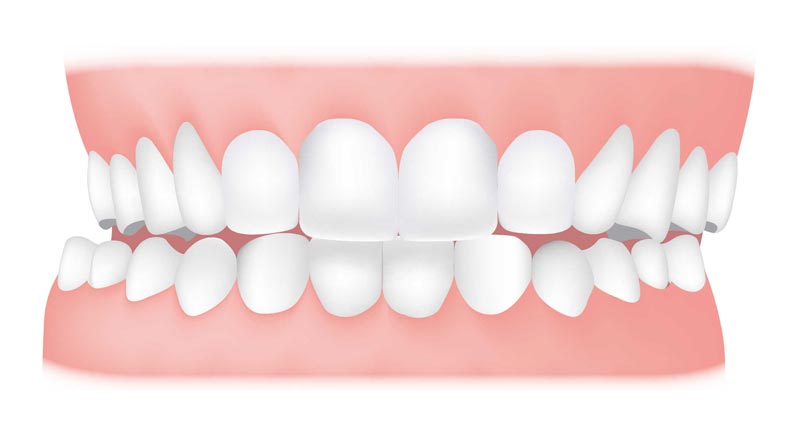
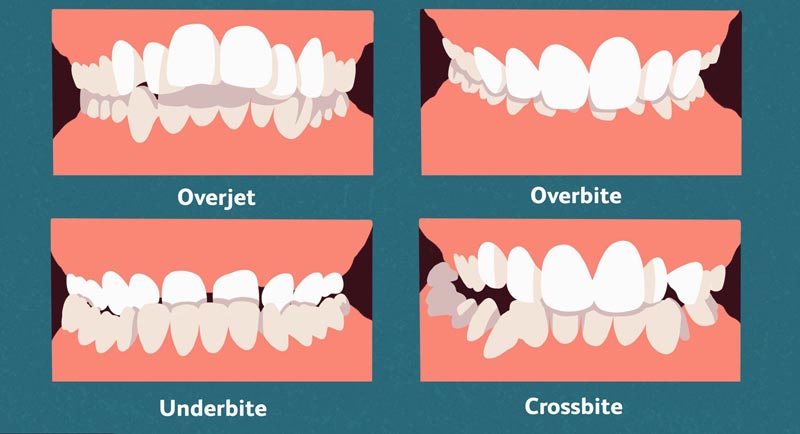
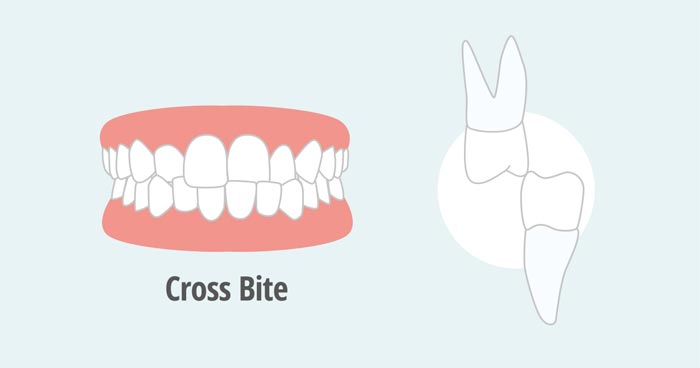
A crossbite is a common type of dental misalignment where your upper and lower teeth do not meet properly when you close your mouth. In a healthy bite, the upper teeth should sit slightly outside the lower teeth. When a crossbite occurs, some of your upper teeth tuck behind the lower ones, creating an inverse fit.
This condition is more than just an aesthetic concern; it’s a functional issue that can put undue stress on your jaw and lead to uneven wear on your enamel. Whether it affects a single tooth or an entire row, understanding the type and cause of your crossbite is the first step toward achieving a balanced, healthy smile.
At My Dentist Langley, we specialize in identifying these misalignments early to prevent long-term complications. For effective crossbite treatment, you can trust our top dentists in Langley, who combine years of experience with the latest dental techniques to ensure that every patient receives personalized care and the best possible outcome.
Types Of Crossbite
Crossbite occurs in different forms. It can affect just a single tooth or a whole group of teeth, and it can occur in either the front or the back of your mouth. There are two main types of crossbite:
- Anterior crossbite: This type affects the front teeth. When you close your mouth, your lower front teeth protrude out in front of your upper front teeth.
- Posterior crossbite: This type involves the back teeth. Here, upper back teeth end up fitting inside the lower back teeth, on one or both sides of your mouth.
What Causes Crossbite?
The exact cause of crossbite can vary from person to person. However, several common factors can contribute to its development:
- Genetics: Just like your eye color or hair type, jaw size and tooth positioning can be inherited from your parents. If you have a small upper jaw or a large lower jaw due to genetics, this can increase the risk of developing a crossbite.
- Childhood habits: Habits like thumb sucking or pushing the tongue against teeth can put pressure on the teeth and jaw and push them out of their ideal positions. These habits are common in young kids, and if they continue for a long time, they can lead to the development of a crossbite. If you notice these signs in your child, consulting a pediatric dentist in Langley early on can prevent the crossbite from becoming more severe as they grow.
- Early tooth loss: If a baby tooth falls out too soon, the nearby teeth might shift into the empty space. This disrupts the natural order in which permanent teeth should erupt. As a result, the permanent teeth might come in crooked or overlap incorrectly, which can cause a crossbite.
- Accidents or injuries: Accidents or injuries that hit your jaw can damage the bones underneath your teeth. This damage can then affect how your teeth line up. Depending on how serious the injury is, it could lead to a crossbite.
While the factors mentioned above are some of the most frequent contributors to crossbite development, it’s important to remember that the cause can vary. In some cases, a combination of these factors might lead to a crossbite.
If you suspect yourself or your child has a crossbite, it is crucial to consult a dentist or orthodontist as soon as possible. They can find the underlying cause of the misalignment and recommend the most effective treatment plan to fix the misalignment. Refer to our “Crossbite in Kids” blog post for more information on this issue.
Book Your Bite Assessment Today
If you suspect a crossbite or feel discomfort when biting, early treatment can make a big difference. Book an appointment at My Dentist Langley and let our team help you restore a healthy, balanced smile.
Symptoms of Crossbite
It’s not always easy to detect crossbite. In some cases, particularly with mild misalignment, you might not experience any obvious symptoms at all. However, there are several signs to be aware of that could indicate you have a crossbite:
- Difficulty chewing or biting food properly: This can happen because the misaligned teeth don’t meet or function together effectively. You might find yourself struggling to break down certain foods or feel uneven pressure while chewing.
- Speech problems: Crossbite can affect the way your tongue interacts with your teeth. As a result, you may find it harder to pronounce certain sounds clearly. For instance, you may not be able to pronounce certain consonants or even develop a lisp, where sounds like “s” and “z” become distorted.
- Uneven wear and tear on your teeth: Because the teeth aren’t meeting properly in a crossbite, some teeth may take on more pressure than others during chewing. This uneven pressure can cause some teeth to wear down more quickly than others. In severe cases, this wear and tear might even expose the layer beneath the hard white enamel, called dentin. Dentin is a softer material and more sensitive, so this can cause discomfort.
- Jaw pain or discomfort: The misalignment caused by crossbite can put extra strain on the jaw muscles and joints. This can lead to aches, pain, or even difficulty opening and closing your mouth comfortably. If you experience sudden, sharp jaw pain or a dental injury that shifts your bite, you may require emergency dental care in Langley to prevent further damage to your alignment.
- Abnormality in facial appearance: In some cases, a crossbite can also affect your facial appearance. The misaligned teeth can cause a noticeable asymmetry in your face or make your jaw appear misaligned.
Now, let’s turn our attention to possible treatments for crossbite.
Treatment for Crossbite
The good news is that crossbite is a treatable condition. The sooner you find and treat a crossbite, the better the outcome will be. The specific treatment plan for you will depend on several factors, including:
- Severity of the crossbite: For mild cases, the treatment approach might be simpler compared to a more severe misalignment.
- The patient’s age: Treatment for children can sometimes take advantage of their growing jaws. By starting treatment early, orthodontists can sometimes guide the jaw’s natural growth to correct the bite without needing as much intervention compared to adults whose jaws have already stopped developing.
- Type of crossbite: The specific treatment plan will depend on the type of crossbite you have. Whether it’s anterior or posterior, the dentist or orthodontist will recommend the most suitable approach to achieve a proper bite.
Here are some of the most common treatment methods used for crossbite:
- Braces: Braces are a common treatment for crossbite. They come in two main types: traditional metal braces and clear aligners (like Invisalign). Both options work by applying gentle, steady pressure on your teeth over time, slowly moving them into their ideal positions. The specific type of braces recommended by your dentist or orthodontist will depend on your individual needs and preferences. For Invisalign in Langley, our dentists at Langley Dental Group provide expert care to help you achieve a straighter smile with this convenient and virtually invisible treatment option.
- Headgear: In some cases, braces might be used alongside headgear. Headgear is a device worn outside the mouth that applies extra pressure to help guide the jaw’s growth in the right direction. This is particularly helpful for younger patients whose jaws are still developing.
- Palatal expanders: If your upper jaw is too narrow and contributing to the crossbite, a dentist might use a palatal expander. This appliance is like a key that fits on the roof of your mouth. Over time, it gently turns a screw to slowly widen the upper jaw, creating space for your teeth to move into their proper positions.
- Tooth extraction: In some situations, especially when teeth are very crowded or there’s limited space in your jaw, removing one or a few teeth might be necessary. This creates extra space for the remaining teeth to shift into their correct positions and achieve a proper bite.
- Surgery: Surgery is reserved for severe skeletal issues in adults where orthodontic appliances alone aren’t enough. In the vast majority of cases, the aforementioned methods effectively correct the bite.
Conclusion
We explained what a crossbite is and what symptoms it has. The good news is that crossbite is treatable with braces, headgear, or other appliances. Early diagnosis and treatment can improve your chewing, speaking, and overall dental health. It will also boost your confidence and prevent future dental problems.
If you suspect you or your child might have a crossbite, don’t hesitate to schedule a consultation with us at Langley Dental Group. Our expert team of dentists and orthodontists is ready to give you a free consultation about your individual case. Call us at (604) 373-4877 or visit us at 20487 65 Ave B130, Langley Twp, BC to schedule your consultation today.
Have you or your child been diagnosed with a crossbite, or do you have questions about treatment? Leave a comment below.
FAQ
Can a crossbite fix itself over time?
No, a crossbite is a structural or skeletal issue that won’t correct itself. Without treatment, it often leads to worsening jaw pain and tooth decay.
Is Invisalign effective for treating a crossbite?
Yes, in many mild to moderate cases, Invisalign is an excellent tool for correcting crossbites. Our team will determine if you are a good candidate during your consultation.
At what age should a child be screened for crossbite?
The American Association of Orthodontists recommends a screening by age 7. Early intervention often prevents the need for surgery later in life.
Does a crossbite cause headaches?
Yes. The muscle strain caused by an unbalanced bite can lead to chronic tension headaches and TMJ disorders.