
Clear Ceramic Braces: Your Clear Path to a Straight Smile
Have you been wondering about straightening your teeth for a while, but you are worried about the look? You’re not alone; for many adults and teens in British Columbia, the thought of “metal mouth” works as a deterrent. Fortunately, modern orthodontics offers a great solution: clear ceramic braces. Are clear braces suitable for everyone? And if not, are you a good candidate? Let’s find out.

What Are Clear Ceramic Braces?
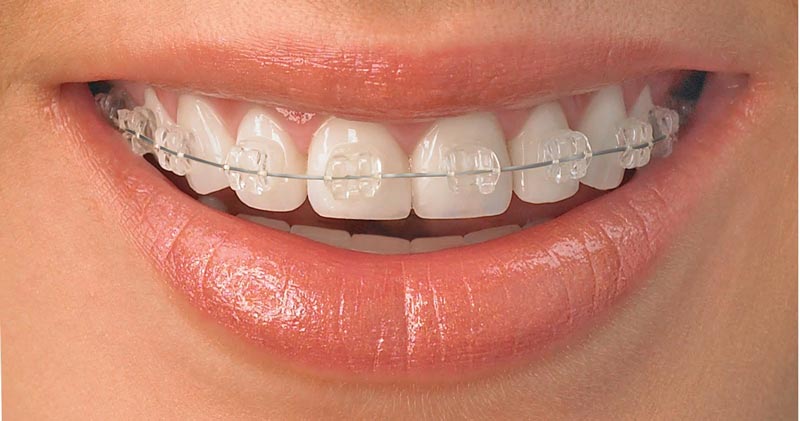
Clear ceramic braces are a modern orthodontic solution designed for patients who seek a more aesthetic alternative to traditional metal appliances. They function using the same mechanical principles—brackets and archwires—to gradually move teeth into their ideal positions.
The key difference lies in the material. While traditional braces use stainless steel, these brackets are made from a specialized translucent ceramic. This material is engineered to either match your natural tooth colour or remain transparent, allowing the braces to blend into your smile. To further minimize their appearance, we often use tooth-coloured wires.
By choosing clear ceramic braces, you receive the same corrective power as metal ones, while maintaining a much less noticeable appreance throughout your treatment.
Is There a Difference Between Clear Braces and Clear Aligners?
While people often use the terms interchangeably, clear braces usually refer to the ceramic brackets themselves, whereas clear aligners (like Invisalign) refer to removable plastic trays. Ceramic braces are a fixed appliance, meaning they stay on your teeth 24/7, providing constant movement for more predictable results in complex cases. Clear braces are also called “transparent braces“.
Ceramic Braces vs. Clear Aligners: Which is Best for You?
Here is a quick comparison to help you decide:
| Feature | Clear Ceramic Braces | Clear Aligners (Invisalign) |
| Visibility | Very low | Nearly invisible |
| Removability | Fixed (stays on) | Removable for eating/cleaning |
| Complexity | Best for moderate to complex shifts | Best for mild to moderate cases |
| Treatment Time | Often faster for tooth rotation | Depends on patient compliance |
If you are looking for Invisalign in Langley, we offer that service at our clinic too. As a trusted cosmetic dentist in Langley, we offer a wide range of top-tier aesthetic dental services, from teeth whitening to dental bonding, porcelain veneers, and anything related to smile makeover.
Why Choose Ceramic Braces Over Metal?
Many of our patients at My Dentist Langley choose clear ceramic braces for several compelling reasons:
- Aesthetic Appeal: They are significantly less noticeable in photos and social interactions.
- Non-Staining Technology: Modern ceramic materials are resistant to staining from coffee, tea, or red wine. (Note: While the brackets don’t stain, the small elastic ties might; however, these are replaced at every adjustment appointment).
- Strength and Reliability: Unlike the fragile versions of the past, today’s ceramic braces are incredibly durable and designed to withstand the pressures of daily eating and speech.
Am I a Good Candidate for Ceramic Braces?
We evaluate several factors to determine if this is the right path for you:
- Severity of misalignent: Clear ceramic braces work well for correcting mild to moderate teeth misalignment. So, if your teeth are slightly crooked or crowded, these braces could be a good fit for you.
- Bite problems: If you have severe bite problems, clear ceramic braces may not be the best solution. In such cases, your dentist may recommend alternative braces or treatments.
- Commitment to hygiene: Maintaining good oral hygiene is crucial during orthodontic treatment. If you’re diligent about brushing and flossing regularly, clear ceramic braces could be a good option for you.
- Lifestyle: If you are an athlete involved in high-contact sports, we might discuss protective measures, as ceramic is slightly more brittle than metal.
What Are the Pros and Cons of Clear Ceramic Braces?
Like any other dental treatment, dental bridges have their own sets of pros and cons. It’s important for you and your dentist to carefully consider these factors before making a decision. Let’s learn about them:
Pros:
- Less Noticeable: Clear ceramic braces are more aesthetically pleasant than metal braces because they can be clear or match your teeth color.
- Quicker Treatment: They can straighten teeth faster than clear aligners like Invisalign. Clear ceramic braces take about 18 to 36 months, while Invisalign can take longer, especially for severe cases.
- Color Options: You can choose different colors for your braces. Unlike metal braces, which are usually gray, clear ceramic braces come in many colors.
Cons:
- Higher Cost: Clear ceramic braces are pricier than metal braces, costing $1,000 to $2,000 more on average.
- Gum Sensitivity: The larger ceramic brackets can cause swollen or receding gums if not cleaned properly.
- Durability Problems: Ceramic braces can break or fracture more easily than metal braces. Removing the glue from ceramic braces can also damage the enamel of your teeth.
- Slower Treatment: Because clear ceramic braces are delicate, repairing broken brackets or making adjustments can take more time, which might delay the process of straightening your teeth.
What Are the Alternatives to Clear Braces?
Although braces are a suitable option for many people, they may not be the best choice for everyone. If you find yourself in this situation, don’t worry! There are alternative options available that can still help you achieve a straighter smile. Let’s explore some of these alternatives:
- Traditional Metal Braces: These are the most common type of braces. They’re made of metal brackets and wires and are very effective at straightening teeth.
- Clear Aligners (e.g., Invisalign): These are clear, removable trays that gradually straighten teeth. They’re nearly invisible and can be removed for eating and brushing.
- Lingual Braces: These braces are similar to traditional metal braces but are placed on the back of the teeth instead of the front. They’re hidden from view but can be harder to clean.
- Self-Ligating Braces: These braces use a sliding mechanism to hold the wire in place, eliminating the need for elastic bands. They’re often more comfortable and easier to clean than traditional braces.
- Removable Retainers: Dentists usually recommend patients to wear these clear, plastic devices after braces to keep teeth aligned. They’re subtle but don’t actively straighten teeth. Yet, they are used to maintain the results of braces.
Each of these alternatives has its own advantages and disadvantages, so it’s essential to discuss your options with your dentist or orthodontist to find the best treatment for you.
How to Take Care of My Clear Braces?
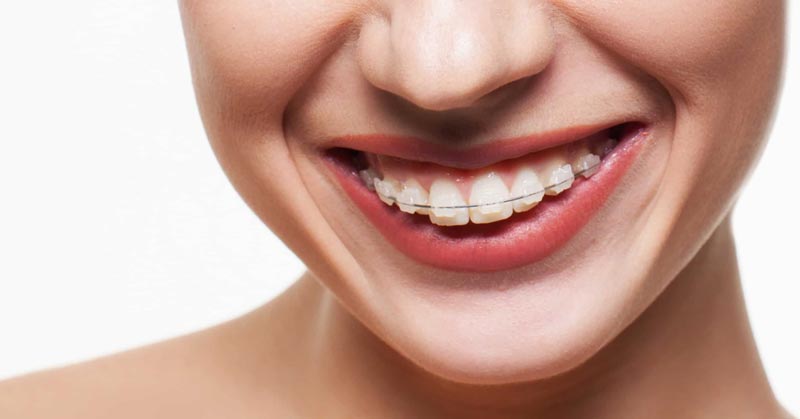
Taking care of your clear ceramic braces is important to keep them looking good and working effectively. Here are some simple tips to help you care for your braces:
- Brushing and Flossing: Make sure to brush your teeth after every meal and floss at least once a day. Use a soft-bristled toothbrush and fluoride toothpaste to clean around the brackets and wires thoroughly.
- Avoid Certain Foods: Some foods can damage your braces or cause staining. Avoid hard, sticky, or chewy foods like popcorn, nuts, chewing gum, and sticky candies. These can break your braces or get stuck in them, making them harder to clean.
- Use Mouthwash: Rinse your mouth with an antibacterial mouthwash daily to help reduce plaque and bacteria buildup around your braces.
- Attend Regular Dental Check-ups: It’s important to keep up with your regular dental check-ups, even while wearing braces. Your dentist can monitor your oral health and make sure your braces are working correctly.
- Follow Orthodontist’s Instructions: Listen to your orthodontist’s advice and follow any instructions they give you for caring for your braces. They may recommend specific products or techniques to help keep your braces clean and comfortable.
Conclusion
All in all, clear ceramic braces are a great option for straightening teeth because they’re less noticeable than traditional metal braces. They’re made from a special ceramic material that blends in with your teeth, making them popular for people concerned about their appearance during treatment. While they have benefits like faster treatment and color options, they also have drawbacks such as higher cost and durability issues.
It’s important to carefully consider these factors before choosing clear ceramic braces or exploring other options like metal braces, clear aligners, lingual braces, self-ligating braces, or removable retainers. Additionally, taking good care of your clear ceramic braces is crucial for keeping them effective and looking good.
At My Dentist Langley, we provide personalized orthodontic care, from discrete clear braces to advanced aligners. Let’s create a treatment plan tailored specifically to you. Reach out to our team at (604) 373-4877 or visit our clinic at 20487 65 Ave B130, Langley Twp, BC to begin your transformation.
FAQ
Do ceramic braces take longer than metal?
Not necessarily. In many cases, the treatment time is identical. However, because ceramic is more delicate, adjustments must be made carefully.
Are clear ceramic braces more expensive than the metal ones?
Typically, there is a slight premium for the aesthetic material, but many patients find the confidence they gain during treatment well worth the investment.
Will clear ceramic braces irritate my gums?
Ceramic brackets are slightly larger than metal ones, but most patients adjust within a week. We provide dental wax to ensure your transition is comfortable.
Do clear ceramic braces stain easily?
The ceramic brackets themselves are stain-resistant. However, the clear elastic ties holding the wire can discolour from foods like coffee or turmeric. These ties are replaced at every adjustment, so your braces will stay looking fresh.
How long does treatment with clear braces usually take?
Typically, treatment lasts between 12 to 24 months, similar to metal braces. The exact time depends on your specific alignment needs, which we will discuss during your first consultation.