In our contemporary era, many people have realized the impact of a beautiful smile on their social and professional interactions, as well as their confidence. So, the search for cosmetic dental services is on the rise. One of these popular methods is dental veneers, which are considered a proper method to have a sparkling smile. However, there are whispers of their disadvantages, causing many to worry about using them. What is the truth? Do veneers ruin your teeth? Let’s discover.
In this blog post, we are going to discuss veneers and evaluate their upsides and downsides. Here, we will help you to be more informed about these cosmetic options and illuminate your decision-making path. Are you ready to learn? Let’s go!

What are Dental Veneers?
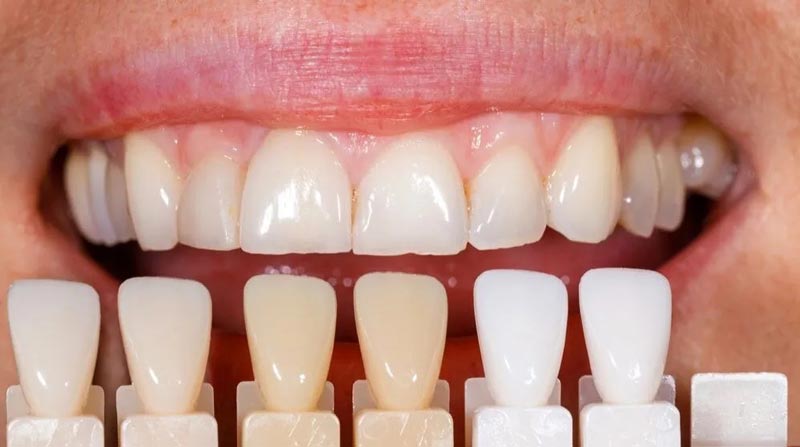
Dental veneers are thin layers that can be categorized into two types: porcelain veneers and composite veneers. These small shells cover the front surface of your teeth and hide the flaws and imperfections of your teeth, such as stains, discolorations, chips, or cracks. Generally, they are designed to enhance the aesthetics of your teeth and give you the smile you have always wished for.
Types of Dental Veneers
Dental veneers are classified into several types. People should consult with their dentist and choose the type that best fits their needs and preferences. The types of veneers are:
- Porcelain veneers: This type of dental veneer is the most common one, and many people prefer to use them because they are durable, strong, stain-resistant, and resemble the natural color of the teeth. However, porcelain is more expensive than the other types of veneers.
- Composite resin veneers: Composite veneers are popular too. They are reasonably priced and can be placed on your tooth surface in only one session. However, you should consider that they have a shorter lifespan and their color can change sooner.
- Zirconia veneers: Zirconia veneers are long-lasting and strong. They are designed to cover teeth that have been severely damaged due to decay, chips, or cracks. They improve your appearance with their natural look.
- Lumineers: Lumineers veneers are like porcelain veneers, but are much thinner. Their biggest advantages are that they don’t require tooth preparation and are reversible.
Do Veneers Ruin Your Natural Teeth?
Do veneers ruin your teeth? It is one of the most common questions about veneers. The answer is no! Veneers don’t ruin your teeth because the dentist just removes a thin layer of your tooth enamel to ensure your veneers bond to the surface of your teeth perfectly.
Additionally, veneers can protect your natural teeth because they are more durable and stain-resistant. So, they actually minimize the risk of cavities, chips, cracks, and other dental issues and help maintain better oral health.
By the way, the skill of your dentist is a critical factor here. Choosing a clinic with a proven track record in cosmetic dentistry in Langley ensures you’ll not only love your new look but also enjoy peace of mind knowing your natural tooth health remains a top priority.
Additionally, veneers may not be your only option. You might achieve your desired look through simpler treatments, such as professional teeth whitening. The best way to determine the right path for your smile is through a personal consultation with a specialist.
Book a Consultation Today
Veneers should enhance your smile, not harm it. Book an appointment at My Dentist Langley to see if veneers are right for you and get honest, professional advice tailored to your smile.
The Procedure for Getting Dental Veneers
This procedure starts with an initial consultation with your dentist. They evaluate your oral conditions and the shape, size, and color of your teeth. Next, they recommend a type that suits your needs. The placement procedure may take one to multiple sessions, depending on the type of veneers (composite veneers can be completed in one session, while porcelain veneers need more visits).
After consultation, your teeth must be prepared for veneers. So, the dentist will remove a thin layer of your tooth enamel. This stage is necessary for bonding veneers to your teeth. After this, your dentist takes an impression of your teeth and sends it to the laboratory where your veneers are made.
The dental professional may recommend that you use temporary veneers until your permanent veneers are made. Temporary veneers can protect your natural teeth.
While your veneers are ready, the application process begins. The dental professional will place your veneers and ensure they are fitted to your teeth, then they bond the veneers to your teeth with a specific substance. They will test your bite and make some adjustments if needed.
The Upsides of Dental Veneers
The various advantages of dental veneers make them a proper choice for many people. Here are some of their benefits:
1. They improve the aesthetics of your smile.
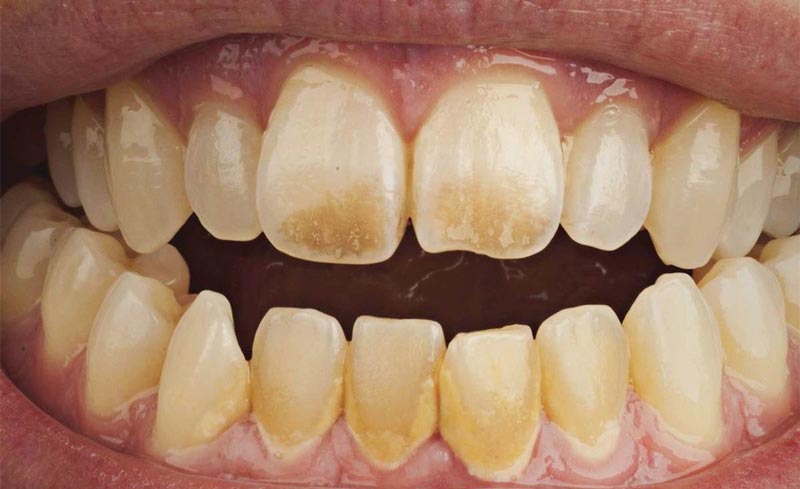
Veneers are cosmetic procedures that aim to enhance the beauty of your teeth and give you a better appearance. They can cover the imperfections of your teeth, such as stains and chipped parts, or make your teeth look whiter and brighter. They can also correct misalignments and small gaps.
2. Veneers last for years!
Veneers are durable and long-lasting. They are made of strong materials and can endure the normal pressure of oral functions. Additionally, they are resistant to stains from foods and drinks even more than your natural teeth. However, their lifespan depends on how you care for them.
3. You will have a positive self-image!
The impact of dental veneers goes beyond your appearance; they boost your self-confidence and enhance your social and professional communications. You will not be embarrassed by your teeth flaws anymore.
4. They are made just for your specific dental needs.
Your dentist will assess your dental conditions and ask you about your expectations and preferences. Based on this information, your veneers will be made to match your dental needs. Additionally, dental veneers can be removed and replaced with another type or form if you are dissatisfied with the outcome.
The Risks and Considerations of Dental Veneers
Although dental veneers have several benefits, some factors need to be considered before applying them to your teeth. The factors are:
1. Some individuals may experience tooth sensitivity.
Sometimes, individuals may experience tooth sensitivity when the dentist removes a layer of tooth enamel or when bonding veneers to the tooth surface. However, this issue normally resolves after a few days and with proper care.
2. Veneers can get damaged.
Veneers are durable and long-lasting; however, they can be chipped or cracked due to excessive pressure and tooth grinding.
3. They are not permanent.
Although veneers are long-lasting, they need to be replaced after 10-15 years because they discolor and wear out over time.
In conclusion
Dental veneers offer a transformative solution for achieving a beautiful, confident smile by addressing imperfections such as stains, chips, and gaps. While they require minimal enamel removal and may cause temporary sensitivity, they do not ruin your teeth. Instead, they provide a durable, stain-resistant surface that can protect your natural teeth.
It is important to consider that veneers, although long-lasting, may need replacement after 10 to15 years and can be damaged by excessive pressure. By consulting with a cosmetic dentist, you can determine if veneers are the right option for enhancing your smile and boosting your self-esteem.
Contact Us Today!
Our skilled dental team at Langley Dental Group is ready to offer comprehensive dental services. Whether for general or cosmetic needs, we have experienced dental professionals to help you achieve your desired smile. You will enjoy our friendly and positive environment and affordable dental services. Schedule an appointment today and let’s create a brilliant smile together!
Do you have questions or concerns about veneers? Share them in the comments below; we’re happy to help.
FAQ
Is the veneers procedure painful?
Most patients experience little to no discomfort. According to our patients’ reports, any post-procedure sensitivity usually fades within a few days.
Can I get cavities under veneers?
Yes. While the veneer itself cannot decay, the natural tooth structure underneath still can. Maintaining good oral hygiene and regular checkups is essential.
Are veneers permanent?
The process is irreversible because enamel is removed. However, the veneers themselves usually last 10 to 15 years before they need to be replaced due to natural wear.
What happens if a veneer pops off?
Don’t panic! Keep the veneer safe and contact us immediately for emergency dentist in Langley services. We can often rebond it if the tooth and veneer are undamaged.