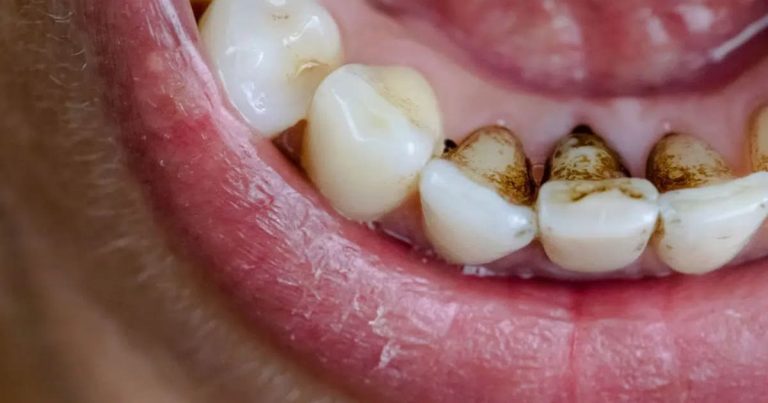
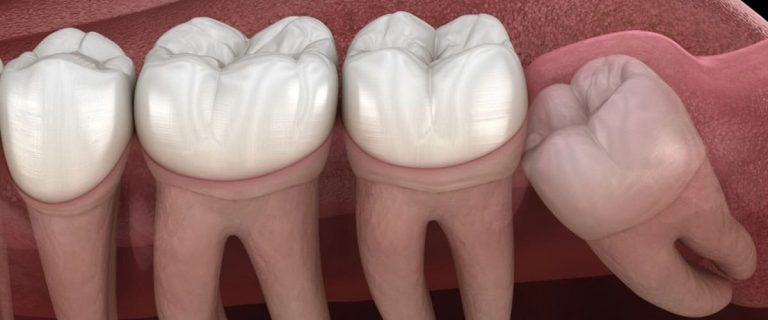
If you are considering replacing your missing teeth, you have probably heard of dental implants. However, in recent years, a newer method called digital dental implants has gained significant attention. By using modern technologies, this method makes dental implant placement more accurate and faster while providing patients with a different and more comfortable experience.
But what exactly is a digital implant, and why has it become so popular? Let’s take a simple look.
What Is a Digital Implant?
A digital implant is a modern method of dental implant placement that uses digital technologies to evaluate the condition of the mouth and plan the surgery.
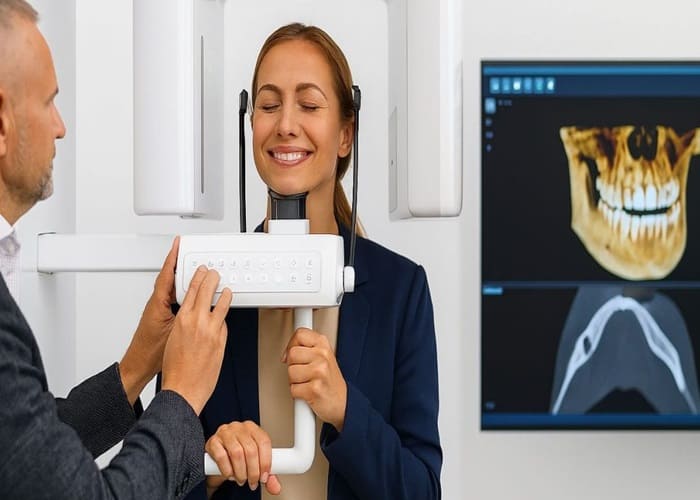
In this approach, the dentist examines the jawbone, gums, and teeth using intraoral scans and three-dimensional CBCT images. This information is then analyzed using specialized software to determine the ideal position for implant placement.
This precise planning allows the surgery to be performed with fewer errors and greater accuracy, making the treatment outcome more predictable.
Need Expert Guidance on Dental Implants?
At My Dentist Langley, we provide advanced digital dental implants with precise planning and patient-focused care to help you achieve a healthier, more confident smile.
Our team is here to guide you every step of the way. Contact us and take the first step toward restoring your smile today.
Steps of the Digital Implant Procedure
The digital implant process consists of several precise and carefully planned stages:
1. Digital Scanning & CBCT Imaging
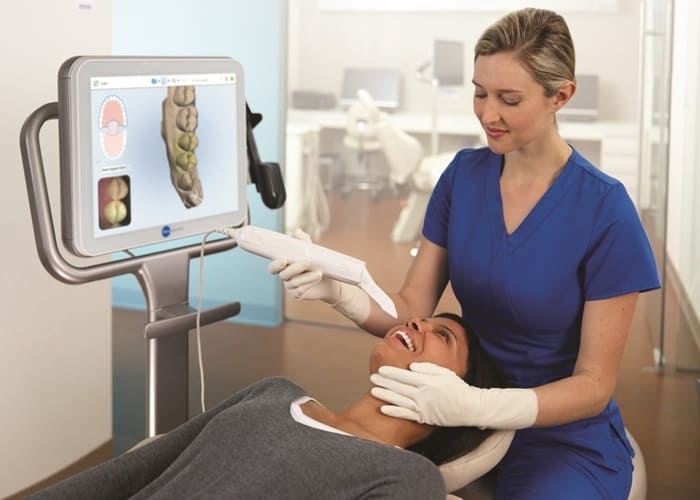
First, a 3D image of the teeth, gums, and jaw is taken using an intraoral scanner and CBCT imaging. This painless and quick process replaces traditional impressions and provides detailed information about bone structure, nerves, and sinuses. The result is a precise digital model used for accurate treatment planning.
2. Digital Treatment Planning & Surgical Guide Design
The collected data is transferred into specialized software, where the dentist designs the exact implant position in a 3D environment. Based on this plan, a custom surgical guide is created using 3D printing, helping ensure precise implant placement during surgery.
3. Implant Placement
Using the surgical guide, the dentist places the implant in the exact planned position, with correct angle and depth. This increases accuracy, reduces tissue damage, and supports a smoother healing process.
4. Scanning and Final Crown Fabrication
After healing and bone integration, a new 3D scan is taken to design the final crown. The crown is then manufactured using CAD/CAM technology and placed on the implant, restoring full function and natural appearance.
Read more about: “Does the Canadian Dental Plan Cover Implants for Seniors?”
Benefits of Digital Dental Implants
Thanks to advanced technologies, digital dental implants provide greater accuracy and a more comfortable experience for patients compared to traditional methods. The main benefits include:
- High Precision in Implant Placement: Very high precision in implant placement and reduced surgical errors
- Less Pain and Tissue Damage: Reduced pain, bleeding, and damage to surrounding tissues due to the minimally invasive nature of the procedure
- Shorter Treatment Duration: Shorter treatment time and faster completion of implant placement stages
- Faster Healing Process: Faster healing and a shorter recovery period
- Lower Risk for Nerves and Jaw Structures: Reduced risk of damage to nerves and sensitive jaw structures
- Higher Patient Comfort: Greater patient comfort by eliminating traditional impressions
- Predictable Treatment Outcome: The ability to visualize the final result before treatment begins
Read more about: “Dental Implant Financing 0% Interest Plans: Easy, Interest-free Options”
Limitations and Disadvantages of Digital Dental Implants
Although digital dental implants are an advanced treatment option, they also have certain limitations and disadvantages that should be considered before treatment:
- The cost of this digital method is usually higher than the cost of dental implants
- Not all clinics are equipped with digital technology
- The procedure requires an experienced and properly trained dentist
- In cases of severe bone loss, bone grafting may still be required
- As with any surgical procedure, there is a possibility of infection or implant failure to integrate with the bone
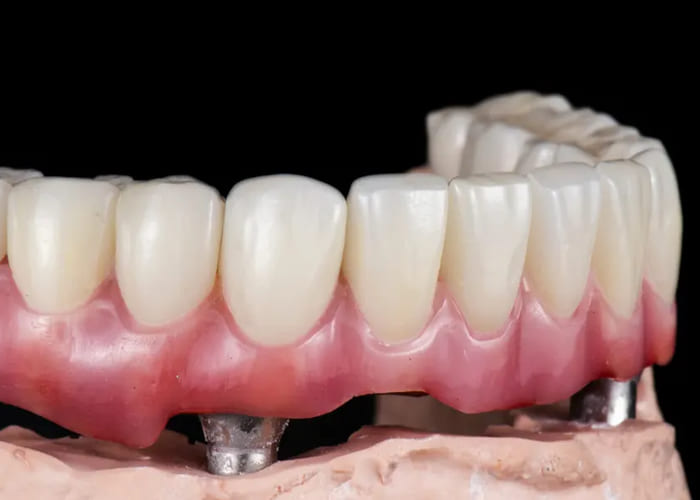
Overall, this method is suitable for most patients, but the final decision should be made after a thorough evaluation by a dentist.
Who Are Digital Dental Implants Suitable For?
Digital dental implants are a suitable option for most people and are particularly useful in the following situations:
- Individuals who are afraid of dental surgery
- Individuals with controlled medical conditions such as diabetes or high blood pressure
- People who want treatment to be completed in a shorter period and with fewer appointments
- Those who have lost their front teeth and need a more natural and aesthetic result
- Patients who have adequate jawbone conditions for implant placement
Read more about: “What Not to Do Before a Dental Implant?”
Digital Dental Implants vs Traditional Implants
The table shows that digital dental implants are more accurate, faster, and more comfortable than traditional methods, but they are also more expensive.
| Criteria | digital dental implants | Traditional Method |
| Implant Placement Accuracy | Very high | Dependent on the dentist’s skill |
| Treatment Duration | Shorter and faster | Longer and multi-stage |
| Planning Method | CAD/CAM computer-aided design | Clinical examination and two-dimensional or limited three-dimensional radiographs |
| Patient Comfort | Greater, with no traditional impressions and a less invasive approach | Lower, involving impressions and repetitive procedures |
| Treatment Cost | Higher due to advanced technology | Lower and more economical |
| Pain and Bleeding | Less | More |
| Surgical Incision | Minimal incision or no extensive incision with fewer sutures | Requires gum incision and sutures |
Conclusion
Digital dental implants are a modern and precise solution for replacing missing teeth, utilizing three-dimensional scanning and computer-guided planning. Compared to traditional methods, this approach improves treatment accuracy, reduces pain and bleeding, and shortens the surgical procedure.
If you are looking for a more affordable and advanced alternative, we also offer All-on-4 dental implants, which can be a great option depending on your condition and treatment needs.
FAQ
1. What Are the Aftercare Requirements for digital dental implants?
Maintaining good oral hygiene, using mouthwash, avoiding hard foods during the first few days, and attending regular dental checkups are among the most important care recommendations.
2. How Long Does It Take Before the Final Crown Is Placed After an Implant?
It usually takes between 2 and 4 months for the implant to fuse with the jawbone, after which the final crown is placed.
3. How Long Do digital dental implants Last?
With proper care, digital dental implants can last approximately 10 to 20 years or even longer and have no difference in longevity compared to traditional implant methods.
4. Is It Possible to Receive a Temporary or Immediate Tooth After a Digital Implant?
Yes, in some cases, a temporary tooth can be placed on the same day as the implant procedure. However, this is not possible for everyone and depends on the condition of the jawbone and the dentist’s professional judgment.
Have you considered dental implants or experienced this treatment before? Share your thoughts or questions in the comments below, we’d love to hear from you and help you out.