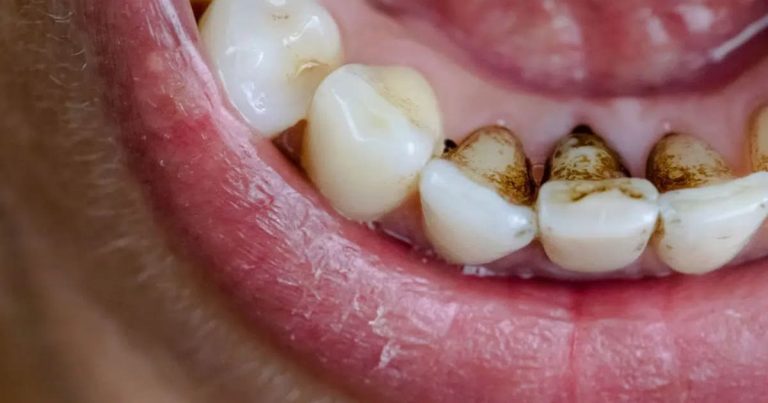
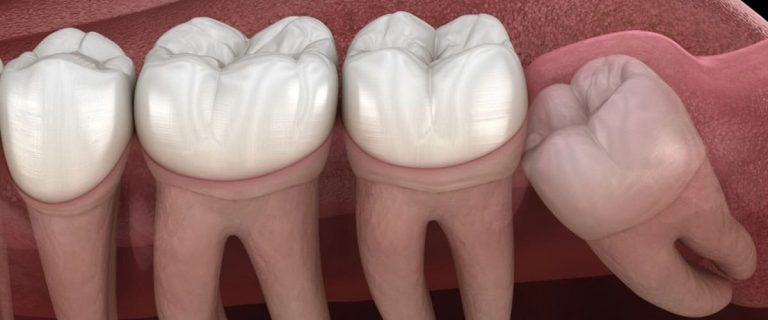
Tooth pain is not just a temporary discomfort; it often indicates an infection that can threaten the health of your entire body. The entry of bacteria into the tooth can manifest as an infection or severe swelling, and prompt treatment with an emergency dentist is necessary. In this article, we examine the causes of dental infection, warning signs, preventive methods, and immediate actions to take until you reach the dentist, so you can maintain your oral and overall health.
How Does a Tooth Infection Emergency Occur?
A tooth infection emergency occurs when bacteria enter the tooth pulp due to deep decay, cracks, or trauma. These bacteria move toward the root and accumulate at the tip of the root or around the gums. As a result, a pus-filled sac called a dental abscess forms, usually accompanied by pain, swelling, and severe sensitivity.
Need Urgent Dental Care?
At My Dentist Langley, our team provides fast and gentle emergency dental care to relieve pain and prevent complications.
Contact us today and take the first step toward protecting your smile and overall health.
Warning Signs of a Tooth Infection Emergency
The following warning signs of a tooth infection emergency indicate that an infection is progressing and requires immediate dental attention.
Severe and Throbbing Pain
If a gentle tap on the tooth causes a sharp pain, or if the pain worsens when lying down and is not relieved by painkillers, this is a sign that the infection has reached the tooth nerve, and you should see a dentist immediately. Some patients first notice tooth pain that comes and goes before it turns constant and severe.
Swelling and Inflammation of the Face or Gums
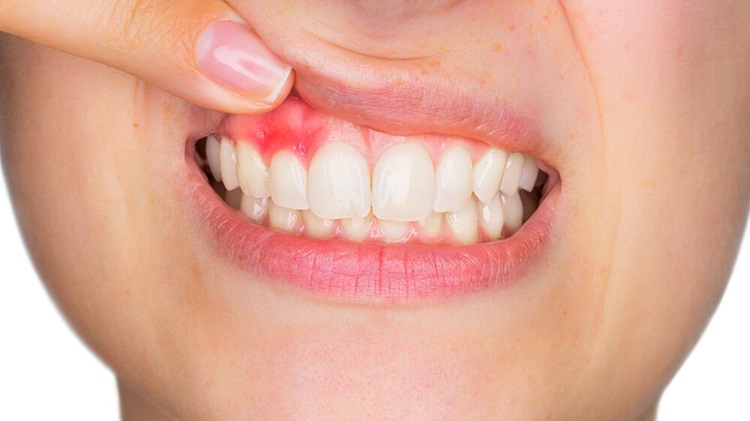
If swelling occurs in the cheek, jaw, or gums along with pain and increases rapidly, it means the body is fighting the infection. When this swelling is accompanied by fever, it is a tooth infection emergency and requires immediate dental attention.
Fever, Chills, and General Malaise

An elevated body temperature (fever) or night sweats accompanied by tooth pain, sometimes along with nausea, headache, or dizziness, indicates the progression of an infection. In other words, if your toothache is accompanied by flu-like symptoms, the infection may have entered the bloodstream, which is a dangerous condition.
Bleeding or Pus in the Mouth
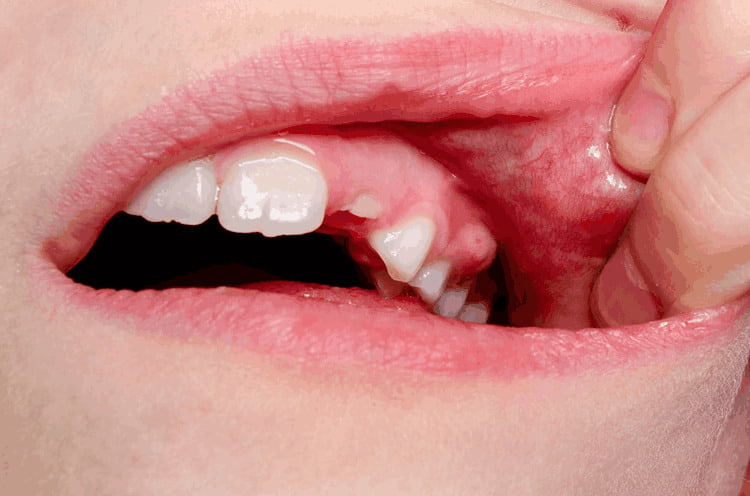
The presence of pus or a white fluid around the gum of the tooth, or bad odor and unpleasant taste in the mouth, are common signs of tooth infection emergency. A pus-filled swelling that discharges or an open sore on the gum indicates an accumulation of infection and should be taken seriously.
Difficulty Opening the Mouth or Swallowing
If you experience difficulty swallowing or breathing, or feel throat tightness or sudden palpitations, this is a serious warning that the infection may have spread to the neck or back of the tongue. In these cases, knowing what to do in a dental emergency is crucial, seek immediate professional care.
Sudden Loosening or Loss of a Tooth
If a decayed tooth suddenly becomes loose or falls out without trauma, it is usually a sign of severe root infection that weakens the gums and jawbone. If left untreated, it can spread to adjacent teeth and loosen them as well.
Breakage or Loss of Fillings and Crowns
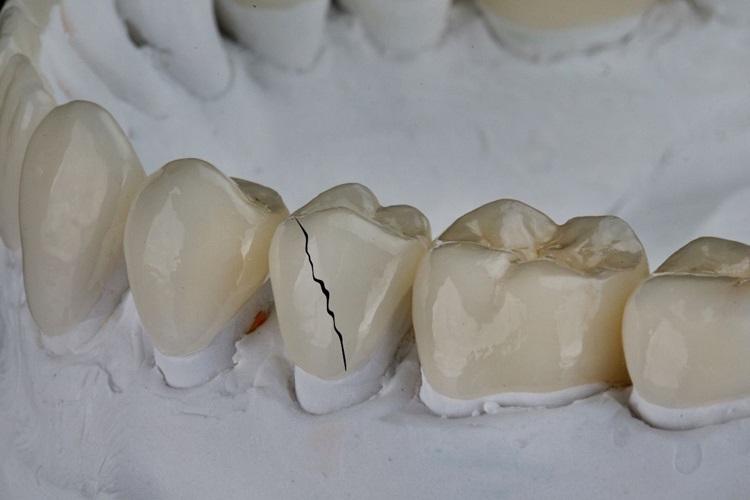
Dental fillings or crowns play an important role in preventing bacterial penetration. If a filling or crown suddenly falls off, bacteria can directly enter the tooth and rapidly cause infection, similar to a cracked tooth emergency.
Risks and Consequences of Untreated Tooth Infection
Ignoring a tooth infection emergency can have very serious consequences. A problem that is controllable today with simple treatment may quickly turn into a serious health crisis, and what may begin as mildly sensitive teeth can rapidly progress into a severe infection.
- Spread of Infection and Abscess: The infection can spread from the tooth root to the jawbone and surrounding facial and neck tissues.
- Tooth Loss: Progression of the infection destroys the tooth, and in many cases, extraction is the only treatment.
- Sinus Involvement: Infection of upper back teeth may spread to the sinuses and cause chronic sinusitis.
- Blood Infection (Sepsis): In severe cases, bacteria enter the bloodstream, creating a life-threatening emergency.
Immediate Actions Until You Reach the Dentist

- Rinse with Saltwater: Dissolve one teaspoon of salt in a glass of warm water and rinse your mouth several times; this can help reduce inflammation and bacteria to some extent.
- Take Painkillers: Over-the-counter medications such as acetaminophen or ibuprofen can reduce tooth pain.
- Apply a Cold Compress: Placing a cold compress on the cheek or jaw can reduce swelling; avoid using a warm compress as it may worsen swelling.
- Call Your Dentist: Contact the clinic before your visit; calling ahead can guide you on immediate steps to take.
How to Prevent Tooth Infection Emergency

You can prevent the occurrence of dental infections by following these simple steps:
- Daily Brushing and Flossing: Brush at least twice a day and floss once daily.
- Regular Dental Checkups: Visit your dentist every 6 to 12 months to treat decay or gum problems before they develop into an abscess.
- Diet Control: Reduce sugar consumption, as sugary foods promote the growth of bacteria that cause tooth decay.
- Avoid Tobacco: Smoking and hookah create an environment in the mouth favorable to bacteria that cause decay and gum disease.
Conclusion
With timely diagnosis and action, serious complications can be prevented, and oral and overall health can be preserved. Warning signs of tooth infection emergency include throbbing pain, swelling, fever, difficulty swallowing, and pus discharge, all of which require prompt dental attention. Prevention is possible through good oral hygiene, regular checkups, and dietary control. If not addressed in time, the infection can enter the bloodstream and spread throughout the body.
If these symptoms occur in your child, seeking care from a pediatric dentist as soon as possible is essential. Our team is here to help provide gentle, fast treatment and keep your child comfortable and safe.
FAQ
Can a dental infection cause headaches or ear pain?
Yes, a dental infection can spread pain to the surrounding areas of the face, jaw, head, and even the ear. This pain occurs due to pressure from the infection and inflammation on adjacent nerves and usually resolves with dental treatment.
Do underlying conditions like diabetes increase the risk of dental infection?
Yes, people with diabetes or weakened immune systems are more susceptible to infections, and dental infections may spread more quickly.
Do children get dental infections as quickly as adults?
Yes, children may even develop dental infections faster than adults because their baby teeth are thinner and more sensitive, their immune system is not fully developed, and oral hygiene may be incomplete. Therefore, tooth pain or swelling in children should be promptly examined by a dentist.
Is tooth pain always related to infection?
No, not all tooth pain is caused by infection. Tooth pain can result from surface decay, sensitivity to hot or cold, gum inflammation, pressure from molars, or even jaw and sinus problems.
Have you ever experienced a sudden tooth infection or severe dental pain? Share your symptoms or questions in the comments, our team is happy to guide you.