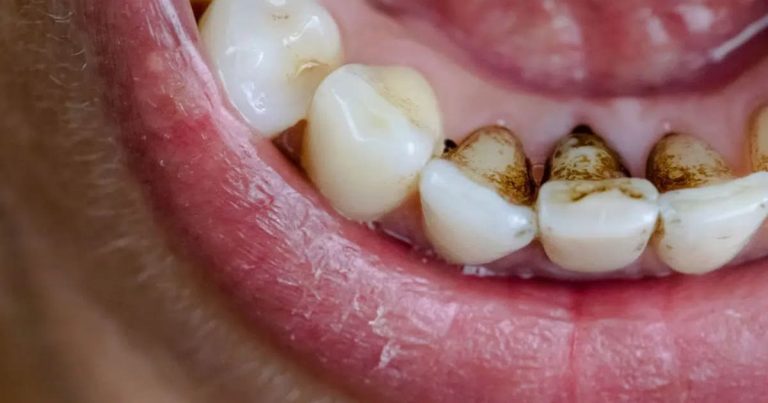
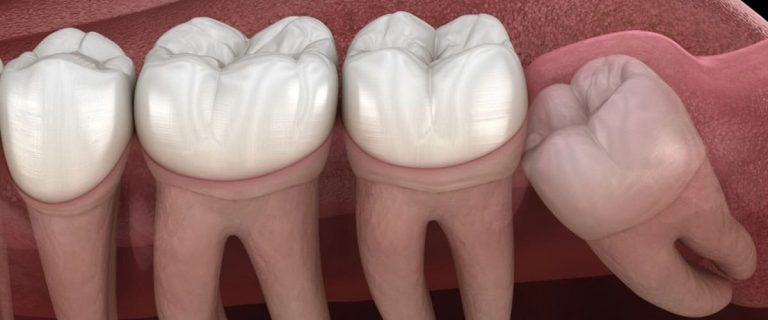
If you have ever experienced a sudden, sharp pain after you drank iced water or bit into something hot, you know what sensitive teeth feel like. It happens when the inner layer of your tooth loses its protective shield. If you have sensitive teeth, dental bonding can restore protection and ease discomfort. We’ll explore what causes this exposure and the correct steps you can take.

Main Triggers and Causes of Sensitive Teeth
Let’s take a look at a quick overview of triggers, and then learn about the main reasons why you experience sensitive teeth.
| Type of Stimulus | Examples | Effect on the Tooth |
| Temperature Changes | Ice cream, hot coffee, cold air, freezing water | Causes fluid movement in exposed dentin tubules, stimulating the nerve endings. |
| Sweet or Acidic Items | Soda, wine, citrus fruits, hard candies | Acid softens enamel or irritates exposed dentin. Sugar changes the internal tooth pressure. |
| Mechanical Contact | Brushing too hard, dental cleaning tools, and abrasive toothpaste | Physical pressure or friction directly stimulates the unprotected dentin or roots. |
1. Enamel Wears Away
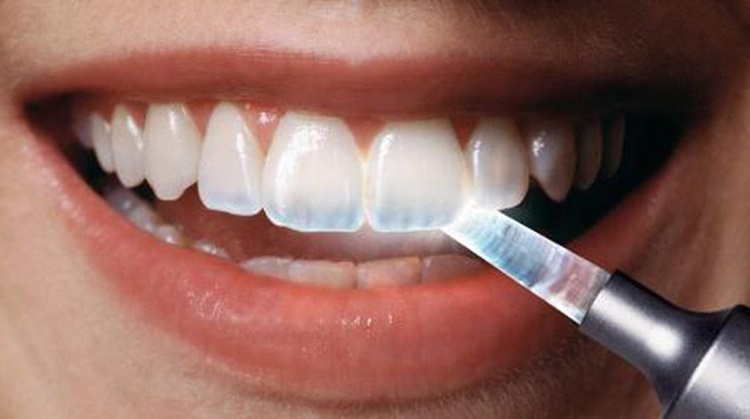
Over time, enamel can wear away and expose the softer dentin underneath. This loss happens mainly due to two factors. High acid levels from foods and drinks (such as fizzy drinks and fruit juices) and brushing too hard.
Are you experiencing tooth pain that comes and goes? Visit our blog on intermittent tooth pain to learn when you should visit a dentist.
2. Gums Pulling Back (Recession)
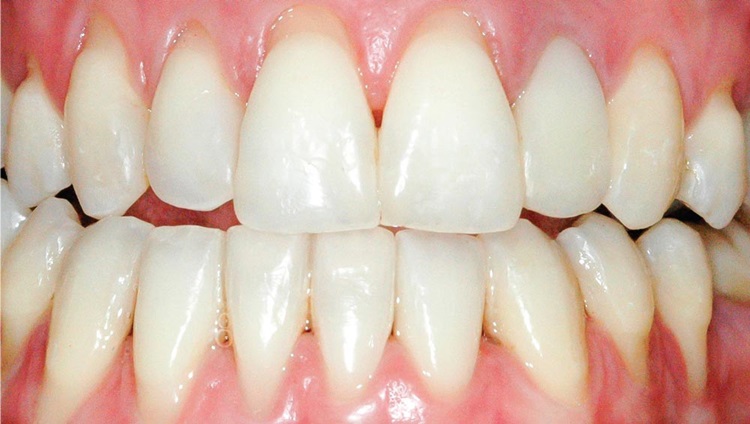
When gums start to pull away or recede, they reveal the dentin layer of the root and cause pain. Gum recession is often a sign of gum disease (gingivitis), which starts because of plaque buildup. If you don’t treat it, the gums become inflamed and start to pull back from the teeth.
Need Professional Help for Your Sensitive Teeth?
At My Dentist Langley, our trusted dental team provides gentle, effective treatments designed to soothe sensitivity and protect your smile long-term. Whether you’re dealing with sudden sharp pain or ongoing sensitivity, we’re here to help.
3. Hidden Problems Like Cavities and Cracks

If a tooth has a cavity, irritants can reach the nerve center, then cause pain and sensitive teeth. A crack or chip in the enamel can let bacteria and temperatures directly into the tooth’s inner tissues. If this sensitivity is sharp and persistent, it requires immediate professional treatment.
Read more: “Cracked Tooth Dental Emergency: When Seconds Save Smiles“
4. The Impact of Teeth Grinding and Clenching
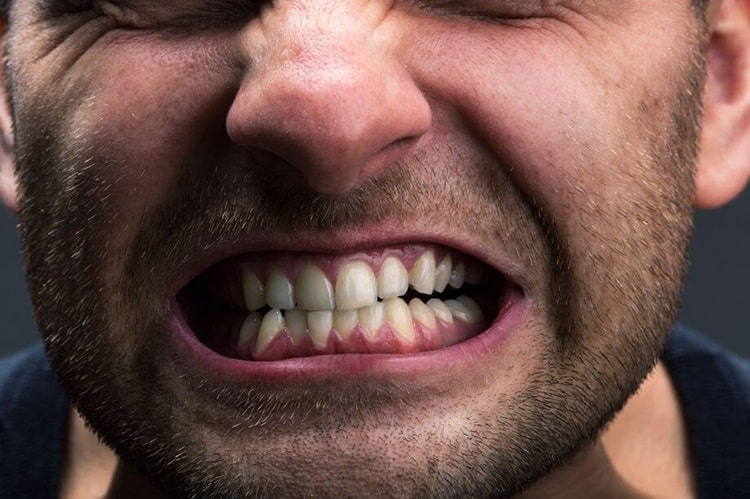
Teeth grinding (bruxism) is a common habit that puts a lot of stress on the teeth. Many people clench or grind their teeth unconsciously, especially while they are sleeping or during stressful times. This constant friction speeds up the wear and tear of the enamel layer.
Quick and Effective Home Treatments for Sensitive Teeth
For mild cases of sensitive teeth, you can often find relief if you change your daily habits and switch to over-the-counter products. Here are some effective home treatments:
- Switch to desensitizing toothpaste.
- Don’t brush aggressively and use toothbrushes labeled soft or extra-soft.
- Reduce how often you consume foods and drinks that are highly acidic.
- Use warm water for brushing.
- Rinse with saltwater for temporary relief.
Is your child experiencing tooth pain? Here are some common causes for your child’s tooth pain, as well as how you can relieve it.
What Will Dentists Do When You Visit for Sensitive Teeth
If you have tried home remedies for sensitive teeth but still experience pain, or if you feel sharp pain, it is time to consult your dentist. Dentists may:
- Apply fluoride gel or varnish directly onto the sensitive areas of your teeth.
- Apply a composite resin or sealant that is molded onto the exposed area.
- Recommend a custom-fitted mouthguard to wear while sleeping.
- Recommend gum graft surgery to reduce sensitivity and protect the bone.
Do you want to get free fluoride treatment for your kids? Here you can learn how you can get free fluoride treatment for kids with CDCP.
A Pain-Free Smile Even With Sensitive Teeth
Sensitive teeth should never keep you from enjoying your favorite foods. Adjust your brushing habits right away and remember that persistent, sharp pain can signal a more serious underlying issue. Are you experiencing severe dental pain and need urgent care? At My Dentist Langley, we offer fast, effective care for urgent dental issues in Langley. Book an appointment for an emergency dentist.
FAQ
1. What exactly makes my tooth sensitive?
Sensitive teeth happen when the protective layers wear away and expose the dentin. Dentin has millions of tiny tubes leading to the nerve. When hot, cold, or sweet triggers enter these tubes, the nerve sends a pain signal.
2. How quickly do I need to see a dentist for sensitive teeth?
If the pain is severe, constant, or only affects one tooth, see your dentist immediately. These severe symptoms may signal a bigger problem, like a new cavity, a cracked tooth, or severe gum disease.
3. How long does it take for sensitive toothpaste to work?
If you use them twice a day, it takes at least two weeks before you feel relief. However, some advanced formulas may offer instant relief by quickly sealing the dentin tunnels.
4. Can teeth whitening cause sensitive teeth?
Yes, it can. Teeth whitening uses chemicals that often cause temporary tooth sensitivity. This discomfort is normal and usually goes away on its own after the whitening procedure is finished.
Have you been dealing with sensitive teeth or sudden discomfort from hot or cold foods? Share your experience in the comments below. Your insights can help others going through the same issue!