Orthodontic treatment with braces follows a structured and methodical process. It’s not simply about straightening teeth. Are you considering orthodontic braces but feeling unsure about what’s involved in the treatment process? All orthodontic treatments focus on reshaping the bite, preserving long-term function, and achieving balanced facial aesthetics.
In this article, we will guide you through the entire procedure of orthodontic braces treatment, including everything involved in the process.
What is the procedure of orthodontic braces treatment?
The procedure might differ from person to person, or it might be different in each dentist’s practice.
The primary objective is to present the entire process and provide a comprehensive overview from a professional perspective.
Watch this video to gain a better understanding and see the orthodontic braces treatment process.
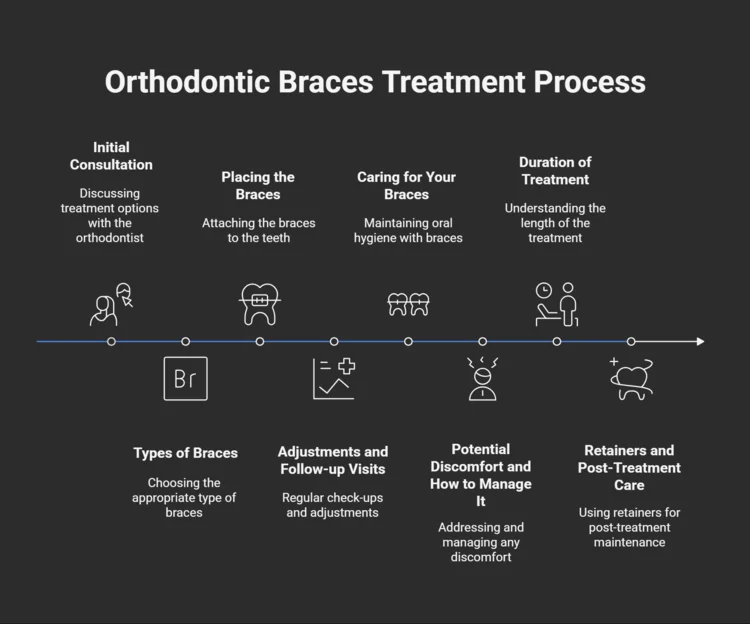
1. The Initial Consultation
Every successful orthodontic braces treatment starts with a precise diagnosis. During this appointment, the orthodontist conducts a detailed clinical evaluation using intraoral scans, X-rays, and tools commonly used during our general dentistry visits. This diagnostic phase is critical for identifying alignment issues, assessing jaw function, and designing a treatment plan.
2. Types of Braces
Different cases require different tools. Some patients are best served with conventional metal braces due to their strength and durability, especially in complex malocclusions. Others may prefer ceramic braces, which offer a more discreet look while still being effective. Lingual braces, which are placed on the inner surface of the teeth, can also be suitable in cases where aesthetics are a top priority.
For patients who prioritize cosmetic results, braces may also be part of a broader cosmetic dentistry plan. In growing children or teens, proper assessment through pediatric dentistry ensures braces are introduced at the optimal stage of development.
At Dentist Langley, we provide comprehensive orthodontics for children, incorporating all the essential factors that are crucial throughout the process.
3. Placing the Braces
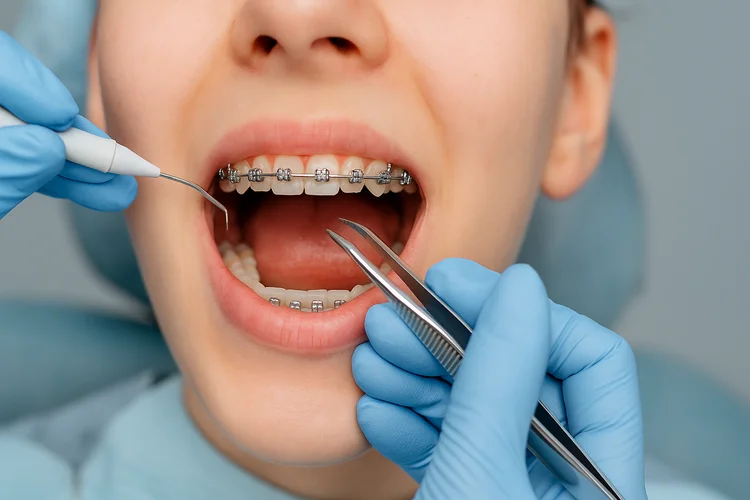
The bonding appointment is methodical but comfortable. Brackets are carefully adhered to each tooth using dental adhesive, and then a specialized archwire is placed and secured. This wire initiates the controlled force necessary to begin tooth movement.
For individuals with significant dental anxiety, our sedation dentistry options may help ensure a calmer, more relaxed experience.
4. Adjustments and Follow-up Visits
Orthodontic treatment depends on regular, incremental changes. Patients are typically seen every four to six weeks to monitor progress and make necessary adjustments to the wires or auxiliaries. These visits allow us to guide the teeth with precision.
5. Caring for Your Braces
Oral hygiene becomes more demanding with braces in place. Patients must be meticulous in brushing and cleaning around brackets and wires, as poor hygiene can lead to decalcification, gingivitis, or even treatment delays. Diet modifications are also necessary. Sticky foods can compromise the integrity of the appliance, and high-sugar snacks increase the risk of decay around brackets.
6. Potential Discomfort and How to Manage It
It’s normal to experience some degree of discomfort, especially after the initial placement or adjustment visits. Most of this discomfort is mild, responding well to warm saltwater rinses. Irritation from brackets can also occur, especially in the early weeks, but orthodontic wax and soft diets usually resolve it quickly.
7. Duration of Treatment
The average braces treatment takes between 18 and 24 months. However, several variables affect this timeline. The complexity of the case, patient age, oral health status, and compliance with instructions all influence how quickly results are achieved. Some mild cases may conclude within a year, while more severe orthodontic or skeletal discrepancies may require longer intervention.
8. Retainers and Post-Treatment Care
When braces are removed, teeth are not yet fully stabilized. Retention is essential to maintain the new alignment. Custom retainers are fabricated and provided immediately after debonding. These are worn full-time initially, then gradually reduced under supervision. Post-treatment visits are scheduled to monitor retention and ensure the success of the case.
Understanding the timeline for orthodontic braces treatment can help set realistic expectations. As Healthline explains:
“The average amount of time for braces is between 1 and 3 years. But you may need them for a shorter or longer amount of time, depending on your circumstances.”
Quick Overview of the Braces Treatment Steps
| Treatment Stage | What to Expect | Why It Matters |
| Initial Consultation | Complete diagnostic evaluation, including scans and X-rays | Establishes the treatment roadmap and goals |
| Choosing Braces Type | Options include metal, ceramic, or lingual braces | Ensures the appliance suits both clinical and aesthetic needs |
| Braces Placement | Brackets bonded and archwires placed to begin alignment | Starts controlled tooth movement under expert supervision |
| Adjustment Visits | Visits every 4–6 weeks for wire changes and progress checks | Keeps teeth on track and prevents complications |
| Oral Care Routine | Daily brushing, flossing, and avoiding harmful foods | Protects teeth from decay and supports healthy outcomes |
| Managing Discomfort | Mild soreness managed with rinses, wax, and soft foods | Improves comfort and compliance during treatment |
| Treatment Duration | Typically 18–24 months, depending on complexity | Sets realistic expectations for the overall process |
| Retention Phase | Retainers are provided to maintain results after removal | Prevents relapse and secures long-term stability |
Contact Us
At My Dentist Langley, our team delivers orthodontic care rooted in precision, experience, and individualized attention. We use modern imaging and treatment techniques to ensure comfort, efficiency, and long-term stability.
Enjoy Lasting Results From Orthodontic Braces Treatment
Orthodontic braces remain one of the most effective and reliable tools in modern dentistry for correcting alignment and bite issues. When managed properly, they not only improve appearance but also contribute to better function, speech, and oral health.
Since My Dentist Langley offers the best orthodontic treatment services for both children and adults, we can confidently say that our experts elevate smiles through advanced treatments, allowing you and your family to use our services with confidence.
FAQ
Before starting braces, most patients share similar questions and concerns. The following section addresses the most frequently asked questions we hear from new orthodontic patients at My Dentist Langley.
-
How long does orthodontic braces treatment take?
Treatment generally lasts between 18 and 24 months. However, some mild cases may resolve sooner, while more complex ones may require extended timeframes. A precise estimate is provided after your diagnostic evaluation.
-
Are braces painful?
Braces do not cause pain during placement, but mild soreness is common afterward. This temporary discomfort is a result of pressure applied to move the teeth and usually resolves within a few days with minimal intervention.
-
How often do I need to visit the orthodontist during treatment?
Follow-up visits are typically scheduled every four to six weeks. These appointments are essential for tracking progress, making controlled adjustments, and ensuring that treatment is on course.
-
Can I eat normally with braces?
Yes, but dietary changes are necessary. Hard, sticky, and chewy foods should be avoided to prevent damage to the appliance. Softer, low-sugar meals are recommended during the adjustment period and beyond.
-
How do I take care of my braces and teeth during treatment?
Daily brushing after meals, flossing with orthodontic tools, and regular use of fluoride are key. Consistent oral hygiene minimizes the risk of decay and supports successful treatment outcomes.
Have questions about whether braces are right for your case? Wondering how long your specific treatment might take or whether clear aligners could be an alternative? Share your thoughts or concerns in the comments.