Don’t worry anymore if you’re a Canadian resident and can’t afford expensive dental care services. In 2025, the Canadian Dental Care Program (CDCP) will be the new dental care program for low-income Canadians. If you meet the eligibility criteria, you can apply for this program and reduce a portion of oral health care costs. Let’s explore the eligibility criteria for the CDCP, as well as the services covered by this program.
What Is the Canadian Dental Care Plan (CDCP)?
The Canadian Dental Care Plan (CDCP) is a federal government dental care program. This new dental care program for low-income Canadians reduces the costs of a range of dental care procedures to make better oral health more achievable.
Read more: “What to Do in a Dental Emergency: Your Quick Response Guide”
Who Qualifies for the CDCP in 2025?

So, you want to know if you’re actually eligible for this new dental care program for low-income Canadians. You can apply for the CDCP if you:
- Have no access to dental insurance (such as pension/employment benefits or student organization).
- Have filed your (+your spouse/partner’s) tax returns in Canada so they can assess your income for the previous year
- Are a Canadian resident for tax purposes.
- Have an adjusted family net income of less than $90,000.
Note: Remember that you can still qualify for the CDCP if you have dental coverage through a provincial, territorial, or federal government social program.
Are you wondering if Invisalign is covered by CDCP? Check out our blog on Invisalign CDCP coverage to find out.
Services Covered by the Canadian Dental Care Plan
There’s a range of different dental care services that the CDCP covers. It does not include cosmetic treatments such as veneers and teeth whitening.
Diagnostic & Preventive Services
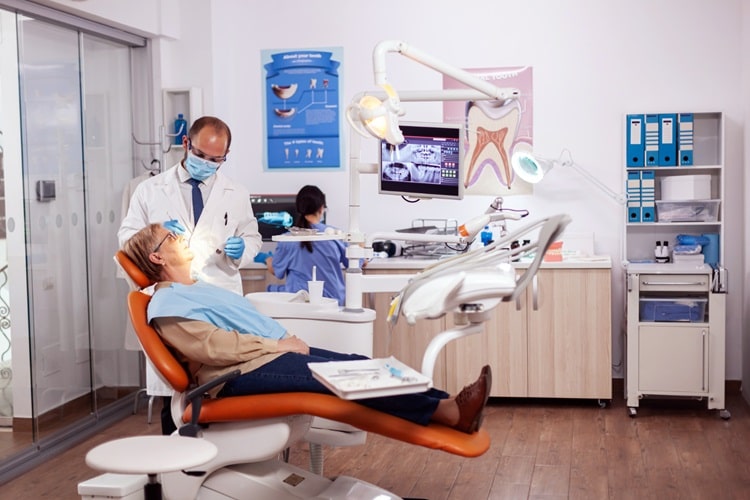
Services such as dental exams, x-rays, dental cleaning, fluoride applications, and sealants can help check the status of your oral health and detect problems like cancer early. They will ensure teeth and gums are healthy and will prevent decay and gum problems.
Need Affordable Dental Care or Unsure About Your CDCP Eligibility?
At My Dentist Langley, our experienced team is here to help you understand the new dental care program for low-income Canadians and get the treatment you need with confidence. Contact us today to book your appointment and take the first step toward better oral health.
Restorative Services
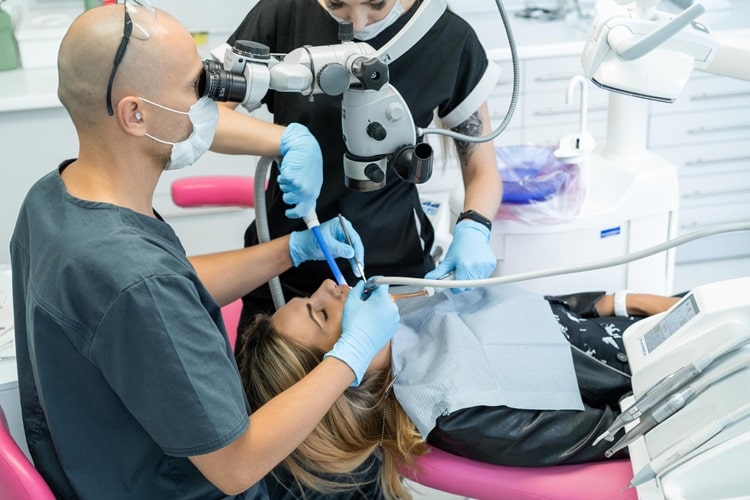
This new dental care program for low-income Canadians also covers services such as dental fillings, posts, crowns, cores, pain control for diseased teeth, and other treatments for cavities. These services will restore the function and aesthetics of your damaged teeth.
Endodontic Services

Endodontic services treat problems inside the tooth when it’s severely damaged or infected. The CDCP covers root canal treatments, pulpectomies, procedures to reduce infection and relieve pain, and re-treatment of a previously completed root canal treatment.
Periodontal Services

These services target the area around the teeth, like gums and bone. They include cleaning under the gumline, treating abscesses, bonding for mobile teeth, post-surgical evaluations, and non-surgical gum disease management.
Still don’t know whether to choose CDCP or individual dental insurance? We will tell you which one is actually the better fit for you.
Removable Prosthodontic Services
If you want to replace your missing teeth, the CDCP will cover complete dentures, denture repairs, placing lining in dentures to condition oral tissues, complete immediate and overdentures, and partial dentures.
Oral Surgery Services
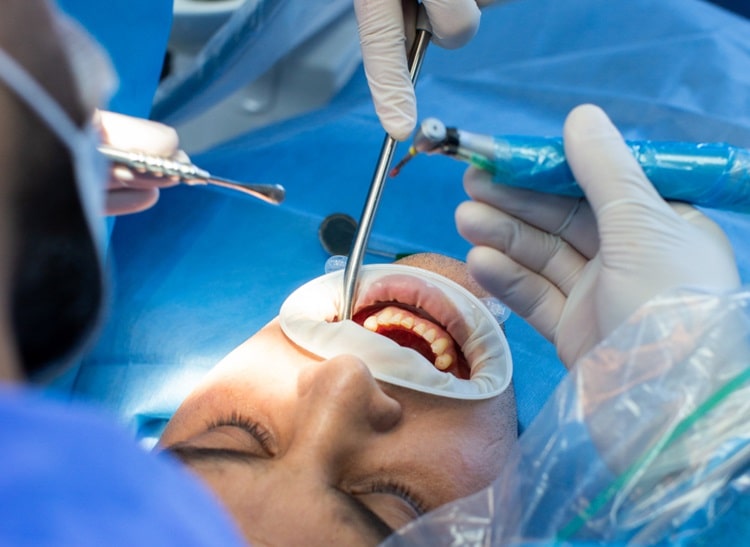
Sometimes you need surgery to remove teeth, eliminate tumors, or fix some problems in your mouth and jaw. You have access to the removal of teeth and roots, surgical removal of tumors and cysts, surgical incisions, and treatments for broken jaw bones.
Orthodontic Services
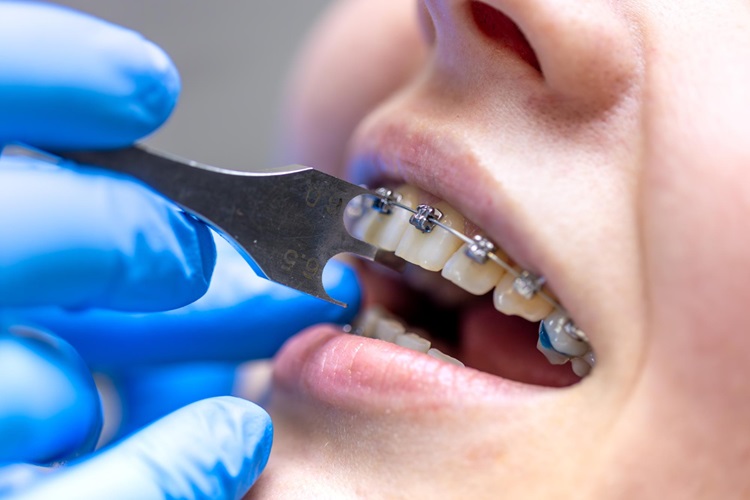
They added orthodontic services to the CDCP in 2025. But remember that it depends on your medical needs, and they will also follow strict criteria. Also, there will be a limit on how much it covers for these services.
Sedation Services
Dentists will control your pain during other painful procedures using sedation and anesthesia. The CDCP covers minimal sedation, moderate sedation, deep sedation, and general anesthesia.
Note: Remember that some services require preauthorization.
How Much Does CDCP Cover?
Don’t forget that the CDCP (the new dental care program for low-income Canadians) only pays a portion of the costs, and you may need to pay extra if:
- Your adjusted family net income is between $70,000 and $89,999.
- The cost of your oral health services is more than what the CDCP covers.
- You agree to receive services that are not included in the CDCP.
Here is an overview of co-payments:
| Adjusted family net income | How much CDCP covers |
| Lower than $70,000 | 100% |
| Between $70,000 and $79,999 | 60% |
| Between $80,000 and $89,999 | 40% |
If you want to know whether CDCP covers implants for seniors, click on the link, and we will talk more about some other ways you can save money on implants.
CDCP Will Cover Your Emergency Dentist Fees
Apply for this new dental care program for low-income Canadians if you are eligible, and get cheaper access to a range of different dental care services, including dental emergencies. So, if you are experiencing intense dental pain and need urgent care, My Dentist Langley offers skilled emergency dentists in Langley.
FAQ
Am I eligible for the CDCP?
You’re eligible if you have no access to dental insurance (such as employment benefits and student organization), have filed your tax returns in Canada, are a Canadian resident for tax purposes, and have an adjusted family net income of less than $90,000.
What are the limitations of the CDCP?
CDCP does not cover cosmetic treatments such as veneers or teeth whitening.
How can I apply for the CDCP?
First, create a My Service Canada Account (MSCA). On your dashboard, click on “Apply for the Canadian Dental Care Plan” and follow the instructions.
What do I need to apply for the CDCP?
You will need a Social Insurance Number (SIN), date of birth, a full mailing address, a home and mailing address, a list of dental coverage through government social programs, and a filed tax return in Canada.
Have questions about the new dental care program for low-income Canadians or personal experience with CDCP coverage? Share your thoughts or questions in the comments below. We’d love to hear from you and help others, too!