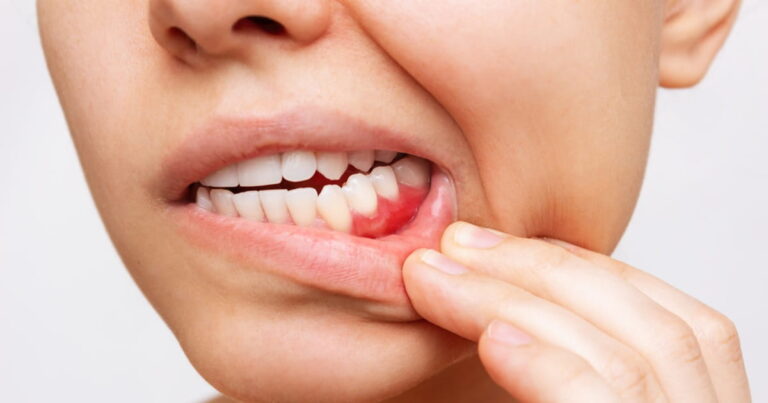
Dental veneers are slim, custom-made shells bonded over the surface of your teeth. They are made of porcelain or composite resin materials and are mainly used to solve several problems, like discolored, chipped, or misaligned teeth and even spaces between teeth. Veneers offer an effective way to boost one’s beauty and confidence. Also, the procedure is relatively easy and gives results at a glance. There are different types of veneers, each with unique benefits and drawbacks. Let’s explore them in more detail to find the best option that suits your needs.
Our Services: Veneers in Langley

What Are the Different Types of Veneers?
Depending on the material used, there are two main types of veneers: porcelain and composite resin veneers. However, to make a better-informed decision, you should know more about their differences and discuss each option with your dentist.
-
Porcelain Veneers
These are the most common types of veneers. Porcelain veneers are highly strong and have a natural effect. This type is stain-resistant and can last up to 15 years and more with proper care. It is customized in a dental laboratory to match the color and shape of the natural teeth.
-
Composite Veneers/Nano-composite Resin Veneers
These are made from tooth-colored resin. They are cheaper than porcelain but less strong and more prone to staining. On average, they may last 5 to 7 years. Composite veneers are directly applied to teeth and shaped into the desired shape. This makes the process quicker and also more cost-effective.
Read More: Dental Emergency in Langley
The Numerous Benefits of Veneers
Dental veneers are one of the most powerful aesthetic enhancements as they effectively cover a lot of imperfections, including discoloration, chips, and spaces in between teeth. This smile-changing process can increase the general value of the way your smile looks, giving you a more even and attractive appearance. Veneers are personalized to mirror the color, size, and structure of your teeth. It has an unnoticeable effect and gives a natural look. The ability to cover a wide array of cosmetic dental issues makes veneers a beneficial, popular choice.
Besides, porcelain veneers are long-lasting and resistant to chipping and staining, which means a smile is kept bright and intact over many years with a practical care routine. The procedure for applying veneers is less aggressive compared to other methods for the teeth, like crowns, which tend to involve significant tooth structure in reshaping. This method will preserve more of your natural tooth while still providing impressive cosmetic results. Veneers, besides other treatments, give immediate improvement and are one of the best options for an individual who wishes to have a fast and effective way to enhance a smile.
Understanding Veneer Staining and Discoloration
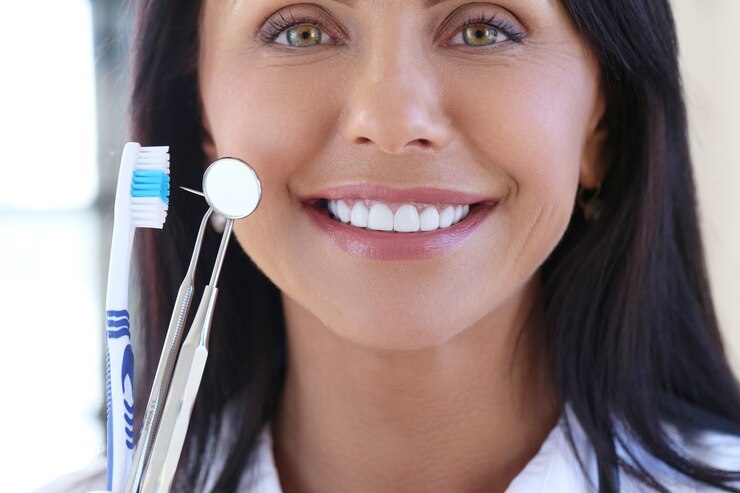
Dental veneers are the best choice for achieving a perfect smile, but even these strong restorations can get stained over time. Therefore, it is crucial to understand the causes of discoloration and staining of the veneers, an essential part of making sure that the new-looking brilliant smile is maintained.
Although they are resistant to staining, either from the inside or outside, there can be some factors that may still affect the veneers. Let’s discuss these typical causes of veneer discoloration, the types of stains that affect them, and how different factors may influence the longevity and aesthetics of your dental veneers.
Our Services: Sedation Dentistry in Langley
What Are the Causes of Veneers Discoloration?
After some period, dental veneers will become colored. The following points could determine the possible causes of discoloration:
- With time, the top surface of the veneer may become worn down, and therefore, they may start staining.
- Plaque may form because of poor brushing and flossing methods, which will stain the veneers.
- Consuming foods and drinks that cause staining, like coffee, tea, red wine, and tobacco, will stain the veneers.
Read More: Wisdom Tooth Extraction in Langley
The Other Staining Agents
Foods with a dark color, such as berries, soy sauce, or cola, will lead to staining on your veneers. These products contain chromogens, which are pigments that stick to the enamel; therefore, they could come with a noticeable stain on the veneer. This changes the color of your veneer slowly, making it not as bright and natural as they are supposed to be.
Another cause of a veneer’s change in color is the use of tobacco products, both smoked and chewed. Nicotine and tar stick easily to the surface of veneers, changing their color to yellow or sometimes brown.
Certain medicines, such as tetracycline antibiotics, can also cause veneers to change color. Some mouth rinses with chlorhexidine can also cause stains, so it’s crucial to choose mouth-cleaning products carefully.
Our Services: Sedation Dentistry in Langley
Whitening Methods for Natural Teeth
The most common ways of whitening natural teeth are as follows:
-
Over-the-Counter Products:
Whitening toothpaste, strips, and gels can provide a lighter shade for natural teeth. These substances mostly have mild abrasives and peroxide to lighten teeth by removing surface stains.
-
Professional Whitening
Dental professionals provide more potent bleaching treatments to whiten teeth to a greater degree. These treatments typically use more powerful concentrations of hydrogen peroxide or carbamide peroxide and may include a light or laser for enhancing the whitening.
-
At-Home Kits
The dentist can prescribe custom trays and professional-strength bleaching agents for at-home use. These facilities provide far-bleaching agents more potent than over-the-counter products and are tailored to fit the teeth of the patient for a better result.
Read more: Implant Alternatives
Why Veneers Can’t Be Whitened
The material of the veneers, whether porcelain or composite resin, will not absorb additional bleaching materials the way natural teeth will. Because of that, typical whitening treatments do not make them look any whiter. Veneers’ staining is mostly due to basic staining, although obviously, a dentist will try to polish away unwanted staining. Superficial staining can be polished off, but the polish will not change the intrinsic color of the veneer material. This color is set during manufacture.
In other words, the veneer is color-stable. It does not change shade over time as natural enamel will with a diet high in chromogenic acids or several different causes. However, the surface color is not the issue; the basic discoloration cannot be lightened.
More services: Teeth Whitening in Langley
Maintaining the Brightness of Veneers
-
Proper Oral Hygiene
Good oral health forms the basis of preserving and maintaining the aesthetics of veneers. This includes brushing twice a day with a soft to medium bristled toothbrush and non-abrasive toothpaste to keep from scratching the surface of a veneer while removing plaque and food particles that can cause staining.
Daily flossing is crucial to remove plaque and debris between teeth to prevent discoloration. Regular dental check-ups are also important. Put these practices into action, and your veneers will look bright and beautiful.
-
Food and Beverages Known to Stain Dental Veneers
Stay away from consuming foods and beverages that cause your dental veneers to stain. Coffee and tea are among the beverages containing dark tints and are also acidic. Red wine and dark sodas are other staining contributors; red wine is not only dark but includes tannic acid, which encourages staining, and dark sodas are acidic, which wears veneer surfaces down and makes them more likely to stain. Berries and tomato sauce contain healthy qualities but can also stain your veneers; the deep colors in these foods tend to stick to the surface of the veneers.
If you need Cosmetic Dentistry in Langley call us.
-
Regular Dental Check-ups
Veneers are a good investment because the results of those beautiful, natural-looking teeth are long-lasting. But you’d better keep up with your dentist’s regular check-ups because even if you invest in veneers, regular check-ups are crucial. Professional cleaning by dentists will help rid the veneers of surface stains and accumulated plaque, keeping them clean. In this way, early signs of problems, such as gum disease or cavities, can also be detected.

Options for Dealing with Discolored Veneers
-
Professional Cleaning and Polishing
While veneers can’t be whitened, professional cleanings can improve the appearance of stains on them. Dentists have special tools and techniques for performing veneer polishing, which removes surface stains from the veneers and brightens their color. Polishing gives the veneer surface more shine and makes it look brighter.
Related article: Are Veneers a Permanent Solution?
-
Veneer Replacement
If the veneers are severely discolored or damaged, then a total replacement is needed. This process requires a few steps. The dentist will first gently remove the old veneer. This removal requires grinding down the veneer and possibly any of the bonding used underneath it. Then, A new mold of your teeth will be made to create a new veneer, ensuring that it fits well in your mouth and matches the shape and size of the rest of your teeth. Finally, the new veneer is applied to your tooth, leaving a fresh, bright smile. This generally involves two visits to the dentist, one to remove the old veneer and make imprints and a second to fit and bond the new veneer.
Related Articles: Does veneers ruin your teeth?
-
Other Alternative Treatments
Other techniques for patients who are not prepared to replace their old veneers are composite bonding and Micro-abrasion, which are both minimally invasive ways to increase the aesthetics of veneers.
- Composite bonding is a thin layer of composite resin applied over the veneer to either mask the discoloration or enhance aesthetics. It is another way to quickly and inexpensively cover minor flaws and staining.
- Micro-abrasion involves applying a mild or gentle abrasive to remove a thin layer of the veneer surface to enhance its appearance.
Our Services: Implants in Langley
Conclusion
Veneers can not be whitened because they contain non-porous materials, making it impossible to bleach them. It is essential to keep veneers clean through good oral hygiene and the avoidance of certain foods and drinks to prevent staining, just as dentists recommend for ordinary check-ups. If such veneers become stained, one might need to go through professional cleaning and polishing or even replacement. There are other alternatives available that further enhance the appearance of veneers, like composite bonding and micro-abrasion. You can come to Langley Dental Group today and learn how to take care of your shiny smile with veneers.