If the dentist’s chair makes you nervous, you’re not the only one. Sedation dentistry can make the whole visit feel easier and much calmer. You might wonder what sedation dentistry feels like, and most people describe it as a deep, peaceful kind of relaxation that makes the appointment go by quickly. And if you want to know the different types of sedation and how each one actually feels, don’t skip this guide.
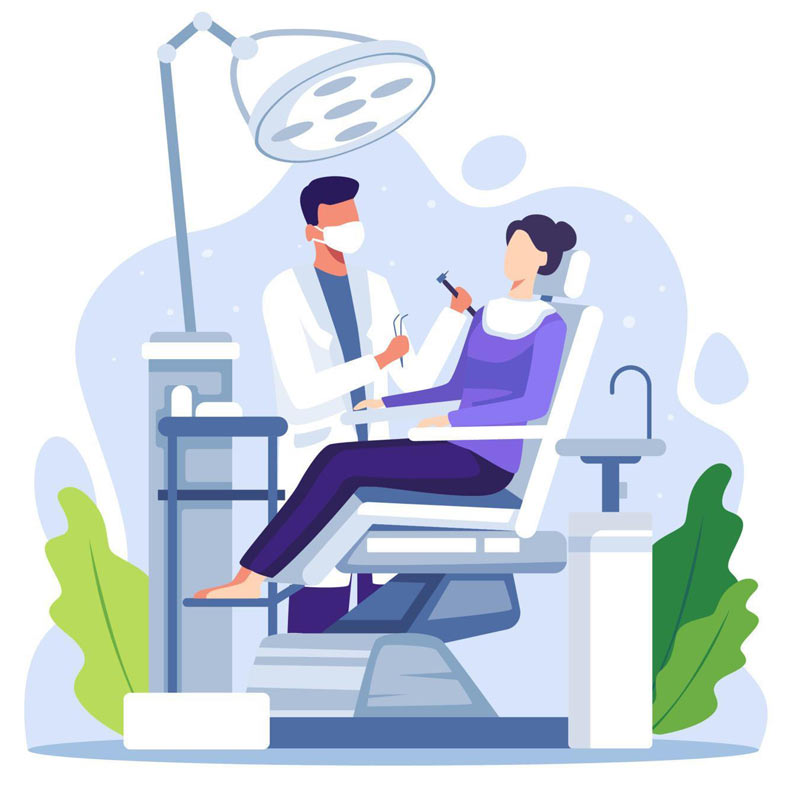
How Different Types of Dental Sedation Actually Feel
Here’s a simple breakdown of the different types and what you might experience with each one
Nitrous Oxide Sedation
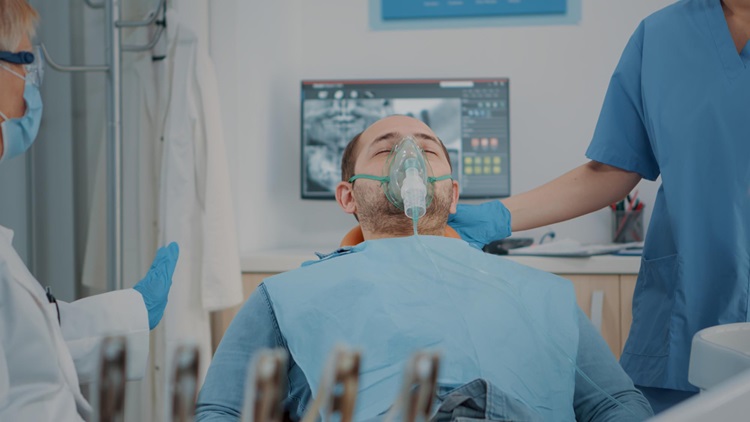
With nitrous oxide, or laughing gas, a small mask sits on your nose, and the mix of gas and oxygen starts to work. The gas helps you feel light, warm, and relaxed within minutes. You stay awake and aware, but the worry fades, and everything feels easier to handle.
Need a Stress-Free Dental Experience?
At My Dentist Langley, we provide safe and comfortable sedation options to help you stay calm during any treatment. Whether you’re anxious, in pain, or preparing for a long procedure, our team is ready to give you a smooth, relaxed experience.
Use Case of Nitrous Oxide Sedation
Dentists usually use it for fillings, cleanings that take longer than normal, simple extractions, or when someone has mild anxiety.
Read more: “What Can an Emergency Dentist Do for a Toothache”
Oral Sedation

This option is for longer procedures or moderate anxiety. You take a pill about an hour before the appointment, and it puts you in a sleepy, relaxed state where sounds and sensations feel far away. You don’t fully sleep, but you don’t feel any stress either. You need someone to drive you home afterward because the drowsiness lasts for a while.
Use Case of Oral Sedation
Dentists use it for things like root canals, gum treatments, small surgeries, or when a patient has had bad dental experiences before.
IV Sedation

The medication goes directly into a vein, and the calm hits almost immediately. You drop into a deep, dreamlike state where time feels shorter, and memories stay blurry or disappear. You feel dizzy and wobbly afterward.
Use Case of IV Sedation
Dentists use this for more complex work or when a patient has strong anxiety. This fits wisdom tooth removal, dental implant placement, extractions that take longer, multiple treatments in one session, or anyone who wants a deeper level of comfort.
General Anesthesia

You go fully unconscious either through an IV or a breathing mask. You hear nothing, feel nothing, and remember nothing. You wake up slowly in a recovery area, like after hospital surgery.
Is your child experiencing tooth pain? Here we will talk about the causes and remedies of children’s toothache.
Use Case of General Anesthesia
This one is for the most intensive dental procedures. Dentists use it for major surgeries, patients with special needs, or situations where no other method works safely.
Benefits of Sedation Dentistry
Generally, different types of sedation dentistry make the dentistry process easier for you with these benefits:
- Reduced Anxiety and Fear: Sedation calms your nerves, so the appointment feels way easier to handle.
- Pain-Free Experience: You barely feel anything, because the medication and local numbing work together to keep you comfortable.
- More Done in One Visit: Since you stay relaxed, your dentist can finish more treatment in a single session and save you extra appointments.
- Great for Sensitive Patients: If you deal with a strong gag reflex or sensitive teeth, sedation keeps things smooth and manageable.
- Better Long-Term Oral Health: When you feel calm enough to get regular care, problems stay small, and your smile stays healthier overall.
Want to know what cavities look like? Visit the link to learn more about different stages of cavities.
How to Prepare for Your Sedation Appointment

Getting ready ensures everything goes smoothly and safely. Your dentist will guide you, but knowing the basics helps. Follow these steps for a smoother procedure:
| Preparation Step | Details |
| Fasting Guidelines | If you’re getting oral or IV sedation, your dentist usually asks you to avoid food and drinks for 6-8 hours. It helps prevent nausea and keeps everything safe. |
| Transportation Arrangements | Plan for someone you trust to pick you up afterward. The sedation might stay in your system for a while, so having a ride home makes things much easier. |
| Clothing and Accessories | Comfortable clothes are your best friend here. Skip jewelry, heavy makeup, or contacts so the team can keep you relaxed. |
| Medication Review | Let your dentist know about any meds or supplements you take. A few might need a quick pause before your appointment for safety. |
| Lifestyle Adjustments | Avoid alcohol and caffeine the day before. They can interfere with sedation, and it’s better to show up with a calm, steady system. |
| Hygiene and Morning Routine | Brush your teeth like normal, but keep your morning simple. No heavy meals, no rushing, just a chill start to your day. |
Are you wondering what’s covered by the CDCP in 2025? We will tell you more about the services CDCP covers.
Who Can Benefit from Sedation Dentistry?
Not everyone needs sedation, but it’s a game-changer for certain situations. If you’re in any of these situations, it might be worth discussing with your dentist:
- Individuals with Dental Anxiety: If drills or needles make your heart race, sedation turns the whole appointment into something you can handle without fear.
- Patients with Past Traumas: If you had bad dental experiences before, sedation helps you feel safe again and slowly rebuild trust in the chair.
- People with a Sensitive Gag Reflex: Sedation keeps your reflexes calm, so the dentist can work without sudden discomfort or stops.
- Those Who Need Extensive Work: Long or complicated treatments feel much easier when your body stays relaxed, and your mind stays calm.
- Children or Patients with Special Needs: Sedation helps kids and anyone with difficulty sitting still feel comfortable, safe, and cooperative throughout the visit.
Not sure if Invisalign can fix your smile? Read this before you decide to choose Invisalign for smile problems.
Find Real Comfort in the Dentist’s Chair
Sedation dentistry makes dental care feel safer and easier, and what sedation dentistry feels like depends on the method that fits you best. The goal stays simple: less stress, more comfort, and a visit that feels manageable from start to finish. If you are experiencing immense tooth pain or a dental emergency, My Dentist Langley offers advanced technology and skilled emergency dentists in Langley.
FAQ
-
Will I feel any pain during the treatment with sedation dentistry?
No, you shouldn’t feel pain. You may notice light pressure, but nothing sharp. After the appointment, normal care handles any small soreness.
-
Is sedation dentistry safe for everyone?
Yes, it’s generally very safe. Your dentist checks your health first and watches your breathing, heart rate, and overall condition during the whole visit. Most side effects stay mild and go away fast. If you worry about anything, just tell your dentist.
-
How long do the effects of sedation last?
Nitrous oxide goes away in minutes. Oral and IV sedation stay in your system for a few hours, and you usually feel normal again by the next day. Your dentist tells you exactly what to expect so you can plan ahead.
-
Can I drive myself home after sedation?
Not if you have oral, IV, or general sedation. They affect your balance and focus for several hours. Only nitrous oxide lets you drive shortly after. It’s much safer to ask someone to take you home.
Have you ever tried sedation during a dental treatment? Share your experience or questions in the comments. We’d love to hear what sedation dentistry feels like for you.