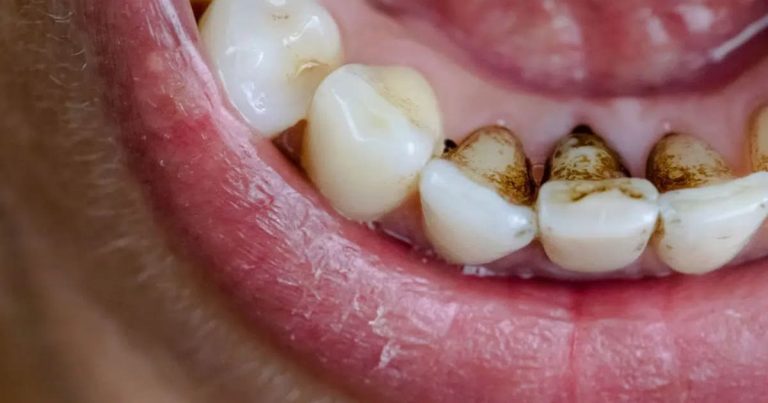
When was the last time you went to the dentist? If you think about it for a few seconds, it’s probably time for a new appointment, even if you don’t have a toothache! The reason is simple: regular checkups can identify serious problems much earlier. But, how often should you visit a dentist? The fact is that the number of visits is not the same for everyone. Age, lifestyle, oral health status, and even genetics determine how often you and your family members should visit the family dentist.
In this blog post, we’re taking a closer look at visiting the dentist for patients from different age groups and with different health needs. It gives you a useful basic guide for yourself and your loved ones, so stay with us.
How Often Should You Visit the Dentist? Is Twice a Year Always Enough?
You’ve probably heard the old adage, “Go to the dentist every six months.” That advice still holds true for many people, but not for everyone! The American Dental Association (ADA) says that twice a year isn’t enough if you’re prone to gum disease, smoke, or have certain medical conditions. This standard even varies for different age groups. So, if you want to know how often you should visit the dentist, continue reading as we’ll cover below.
Dental Visits for Infants and Toddlers (0–3 Years)
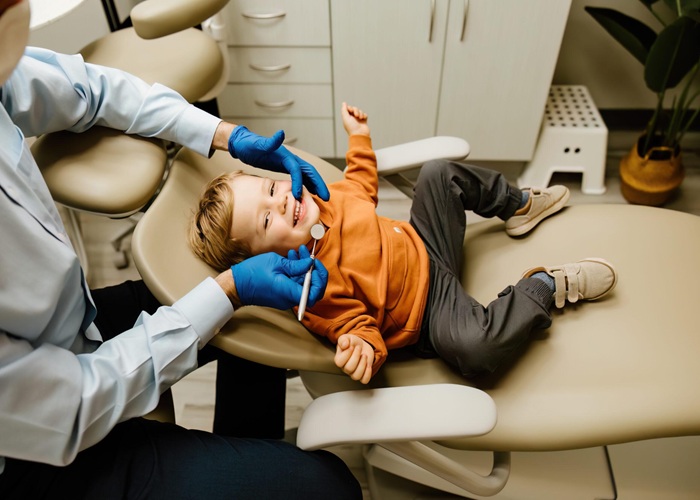
Your child’s first visit to the pediatric dentist should be no later than one year of age, or within six months of the first tooth erupting. After the first visit, dentists usually recommend that toddlers be examined every 6 months.
These visits are mostly educational and preventive. The dentist will check the development of the jaw and teeth, teach you how to clean your baby’s gums and teeth, and assess the condition of “bottle decay.”
Dental Care for Children (4–12 Years)

During this period, baby teeth fall out and are replaced by permanent teeth. At the same time, sugary snack consumption increases, and toothbrushing skills are not yet perfect; therefore, for most children, a visit every 6 months is ideal.
During these appointments, the dentist protects the new molars with preventive treatments such as fluoride therapy and fissure sealants. Also, around the age of 7, the condition of the jaw and the eruption of the teeth are checked so that, if necessary, orthodontic care can be started at the right time.
Due for Your Next Dental Visit? Langley Dental Group Can Help
Regular dental checkups play an important role in detecting problems before they become more serious. At My Dentist Langley, we provide complete dental exams and preventive care to help families maintain better oral health.
Schedule your appointment today and get a dental care plan based on your needs.
Teenagers and Dental Health (13–18 Years)

Adolescence is often accompanied by intense hormonal changes that can make the gums more sensitive and prone to inflammation (adolescent gingivitis). On the other hand, the use of orthodontic braces and sometimes neglect of hygiene increases the risk of dental problems.
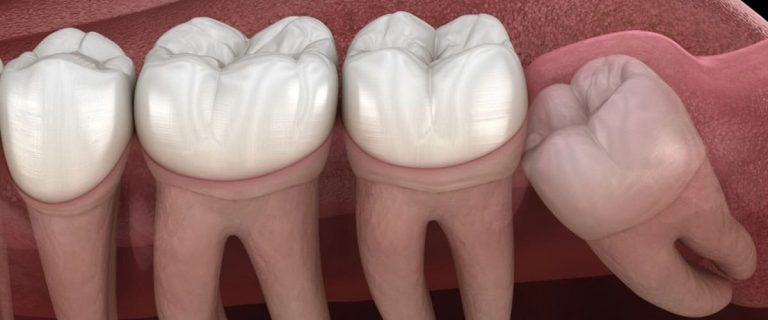
Dentists consider it mandatory to visit at least once every 6 months during this period to check the condition of wisdom teeth and the possibility of their impaction with X-rays, in addition to standard examinations. Note that if your teenager is undergoing orthodontic treatment, the dentist will probably recommend shorter intervals.
Adults: How Often Should You Really Go? (19–64 Years)

For adults, the right interval for visiting the dentist depends on risk level and overall oral health. That’s why the recommended frequency of dental visits can be assessed based on the table below.
| Adult Oral Health Condition | Recommended Visit Frequency |
| Excellent hygiene, no recent history of decay, completely healthy gums | 1–2 times per year (every 6–12 months) |
| Moderate history of decay, rapid tartar buildup, mild gum disease | 2–3 times per year (every 4–6 months) |
| Advanced gum disease (periodontitis) or a weakened immune system | 3–4 times per year (every 3–4 months) |
You should know that gum disease is very common in adulthood and often has no pain in its early stages. Regular dental visits are the only reliable way to catch these issues early.
Seniors and Dental Visits (65+ Years)

Many seniors suffer from dry mouth due to taking various medications (such as blood pressure or heart medications). Saliva is the teeth’s greatest natural defense against decay, and reducing it greatly increases the risk of root decay. For this reason, dentists usually recommend that seniors have their teeth checked every 3 to 6 months.
These visits include checking the health of gum tissue, evaluating and adjusting dentures (false teeth), checking the health of implants, and screening for oral cancer, which becomes more important with age.
Special Cases: When You May Need More Frequent Visits
If you fall into one of the following groups, you should probably see your dentist every 3 to 4 months:
- Pregnancy: Hormonal changes during pregnancy can make your gums extremely sensitive, increasing your risk of developing “gestational gingivitis.”
- Diabetes: High blood sugar reduces your body’s ability to fight infection, so people with diabetes are more likely to develop severe gum disease.
- Cancer patients: Chemotherapy or radiation therapy can cause severe dry mouth and gum infections.
- Smokers: Smoking slows down the healing process of oral tissues and speeds up the process of gum disease.
If you don’t have a dentist yet, our post How to Find the Best Family Dentist in Langley is a good place to start.
Signs You Should See a Dentist Sooner
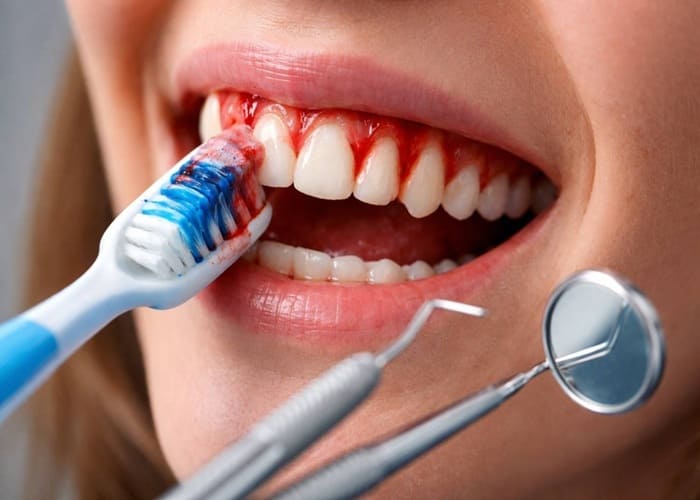
Sometimes you don’t have to wait until your next checkup. If you notice any of the following signs, it’s best to see your dentist as soon as possible.
- Bleeding gums when brushing or flossing
- Severe and persistent sensitivity to cold, heat, or sweets
- Bad breath that doesn’t go away with brushing and mouthwash
- Loose permanent teeth
- Pain or looseness in crowns and implants
- A sore, white, or red spot in your mouth that lasts more than two weeks
If you’re in an emergency, read What to Do in a Dental Emergency and go to the nearest hospital or dentist right away.
How to Find the Right Schedule for You?
If you’re still not sure how often you should visit, the best thing to do is to talk to your dentist and get a personalized schedule that you can achieve in three steps.
1. Get a comprehensive initial checkup
First, book a full visit for yourself and your family. During this appointment, your dentist will carefully examine the current condition of your teeth, gums, jawbone, and previous restorations, and may take X-rays.
2. Individual risk assessment
Your dentist will assess your risk for cavities and gum disease based on your lifestyle, diet, genetics, medical history, and quality of oral hygiene.
3. Set up a personalized care plan
Finally, your dentist will tell you exactly how often you should come to the clinic. This schedule may change throughout your life.
Summary
As you can see, there is no one-size-fits-all plan for how often you should visit a dentist. One person may be perfectly healthy with a once-a-year visit, while another may need quarterly visits. The most important thing is to consult with your dentist and develop a plan that is specific to you and your family.
Also, if you notice any emergency symptoms, don’t delay and visit the dentist right away. At Langley Dental Group, our reliable Emergency Dentist is there when you need it most. If you’re experiencing a dental emergency, our team will assess your condition as quickly as possible and provide the treatment you need to help prevent more serious complications.
Remember, oral health is not something you can leave to chance.
FAQ
Why does your dentist insist on taking X-rays every year?
To check hidden areas like between your teeth and under your gums. These images help detect early signs of decay and bone loss.
How many checkups does Langley dental insurance typically cover per year?
Most insurance plans cover twice a year for a checkup and scaling, but it’s a good idea to check your plan’s details carefully.
Should I still see a dentist if my teeth don’t hurt at all?
Yes, many dental problems are painless in their early stages, and regular visits can prevent them from progressing.
What exactly happens during a dental checkup?
The dentist will examine your teeth and gums, perform a scaling, and give you personalized recommendations for better care.
Should seniors go to the dentist, even if they don’t have natural teeth?
Yes, checking the health of your gums and oral tissues is still essential and prevents more serious problems.
How often do you usually visit your dentist, and has your recommended schedule changed over time? Share your thoughts or questions in the comments below.