A beautiful smile is not limited to white teeth; the shape, symmetry, and uniformity of the teeth also play an important role in the attractiveness of your smile. For this reason, porcelain veneers have become one of the most popular methods for smile design correction. But before undergoing this treatment, there is one key question:
What exactly can porcelain veneers do for your smile?
In this article, we will simply explain what porcelain veneers are, who they are suitable for, their advantages and limitations, and whether they are truly the right choice for you.
What Are Porcelain Veneers and How Do They Enhance Your Smile?
Porcelain veneers, also known as ceramic dental laminates, are thin layers of ceramic material placed on the front surface of the teeth to improve their appearance. These veneers are custom-designed and fabricated for each individual and are permanently bonded to the teeth using special dental adhesives.
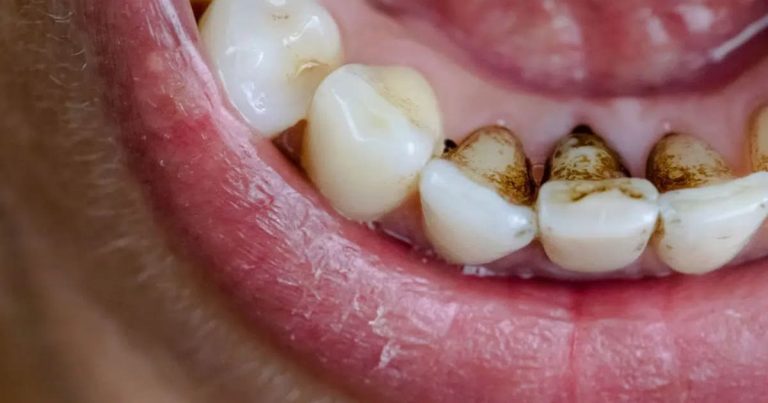
With this method, many aesthetic dental issues can be corrected, including:
- Minor chips or fractures
- Stubborn stains
- Gaps between teeth
- Mild misalignments
When comparing Veneers vs Bonding, veneers are typically chosen for their durability and more natural, long-lasting results.
Types of Porcelain Veneers
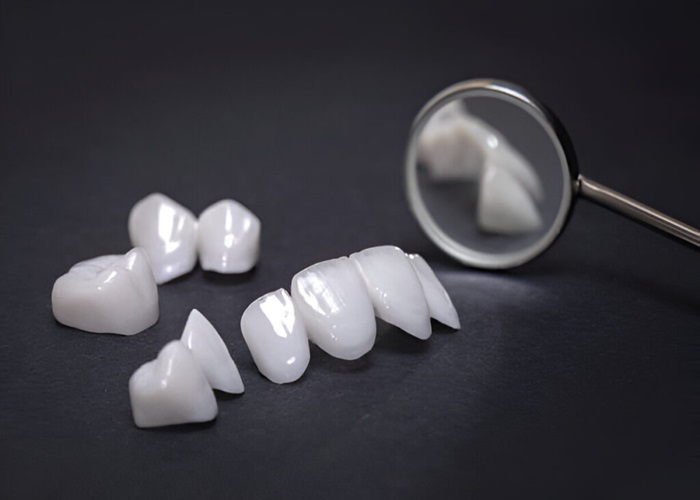
Porcelain veneers come in different types based on the ceramic material used. Each type has its own characteristics, strengths, and applications.
| Type | Advantages | Disadvantages | Approximate Lifespan | Price Range |
| Feldspathic | Highly natural appearance and translucency | Lower strength and higher risk of chipping | About 10–15 years | High |
| Lithium Disilicate | High strength with natural aesthetics | Limited color range in some cases | About 10–15 years | High |
| Zirconia | Very high resistance to fracture | Less translucency compared to other types | About 15–20 years | High |
| No-Prep Veneers | Preserves natural tooth structure | Limited ability to correct color and shape | About 10–15 years | High |
1- Feldspathic Veneers
Feldspathic veneers are completely handcrafted and built layer by layer by a dental technician. This allows precise control over color and translucency, resulting in a very natural appearance. However, compared to newer types, they are less strong and more prone to fracture under high pressure.
Ready to Transform Your Smile with Porcelain Veneers?
At My Dentist Langley, we specialize in creating natural, confident smiles tailored just for you. Whether you’re exploring veneers or looking for a complete smile makeover, our expert team is here to guide you every step of the way.
Call us now to learn more about our services.
2- Lithium Disilicate Veneers
This type of veneer, known by brands such as IPS e.max, offers both a beautiful, natural appearance and very high resistance to fracture. For this reason, it is one of the most commonly used options for smile makeover correction. These veneers are fabricated using methods such as pressing or digital dental design (CAD/CAM).
3- Zirconia Veneers
Zirconia is extremely strong, but its translucency is lower than that of other materials. For this reason, it is mainly used in cases where strength is more important than aesthetics. Its use in cosmetic veneers is less common but continues to evolve and improve. Since material choice can also influence the overall smile makeover cost, zirconia may be considered in cases where durability is a priority over a highly natural appearance.
4- Leucite-Reinforced Veneers
Leucite-reinforced veneers are made from a combination of feldspathic porcelain and leucite crystals. Due to their high translucency, they closely resemble natural tooth enamel. These veneers offer both excellent aesthetics and suitable strength and are mostly used for front teeth. They are also effective for correcting color, shape, and gaps between teeth.
Read more about: “3D Smile Makeover in Vancouver”
5- Ultra-Thin Veneers
These veneers are applied without tooth preparation or with minimal preparation, helping preserve the natural tooth structure. If removed, the teeth usually remain almost unchanged and appear similar to their original state. However, this method is not suitable for very yellow, severely misaligned, or heavily altered teeth.
Who Are Dental Veneers Suitable For?
Dental veneers are not suitable for everyone, and it is important to evaluate whether the teeth and gums are in appropriate condition before treatment.
If you have the following conditions, veneers may be a good option for you:
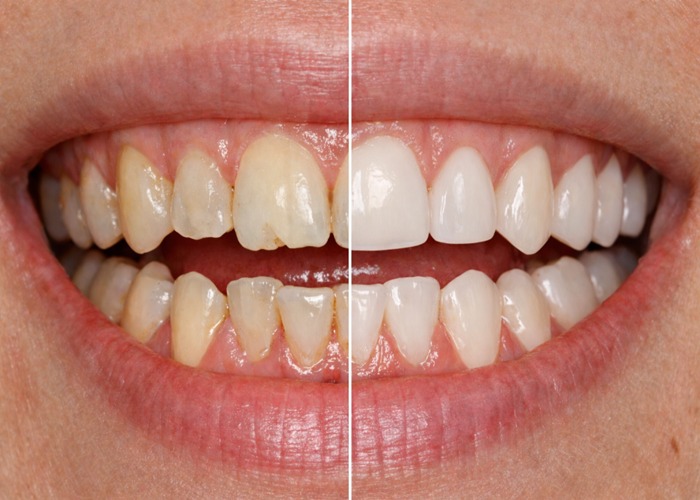
- Severe discoloration or staining
- Minor chips or fractures
- Gaps between teeth
- Improper tooth shape or size
- Desire to improve overall smile appearance
Who Should Avoid Dental Veneers?
However, veneers may not be the right choice if you have:
- Very weak or root canal–treated teeth
- Severe teeth grinding (bruxism)
- Active gum disease
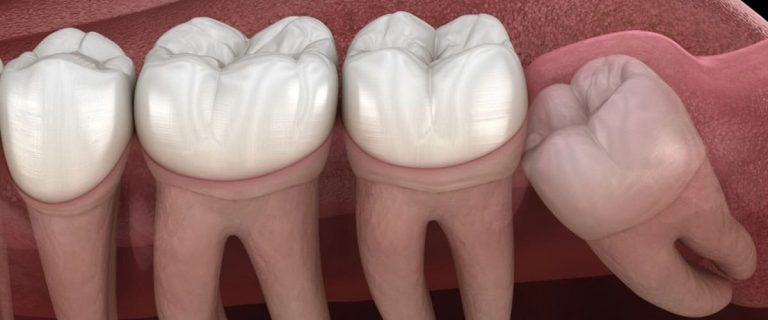
- Severe jaw or dental abnormalities
How Long Do Porcelain Veneers Last?
Porcelain veneers are highly durable and, with proper care, typically last between 10 to 15 years or even longer. However, factors such as teeth grinding, chewing hard objects, trauma, or failure of the dental bonding material can reduce their lifespan. If damaged, veneers can usually be repaired or replaced.
Aftercare for Porcelain Veneers
Proper care plays a key role in extending the lifespan and maintaining the beauty of veneers:
- Oral hygiene: Brush twice daily and use dental floss daily to prevent plaque buildup and decay.
- Avoid damage: Do not chew hard objects such as ice, pencils, nails, hard candy, or very hard nuts.
- Teeth grinding: If you grind your teeth, especially during sleep, using a night guard is essential.
- Prevent staining: Reduce consumption of coffee, tea, colored beverages, and tobacco.
- Regular checkups: Visit your dentist annually to assess the condition of your veneers, gums, and bite contact.
Start Your Smile Makeover Today
Porcelain veneers are one of the best methods for smile design correction, significantly improving the appearance of teeth to make them more beautiful, aligned, and natural-looking. This method is a durable and reliable choice for individuals seeking to enhance the color, shape, or harmony of their teeth. Maintaining proper oral hygiene and attending regular dental checkups play an important role in preserving the beauty and longevity of veneers.
If you’re considering porcelain veneers and want expert guidance tailored to your smile, consulting a qualified specialist is the best next step. Visit our Cosmetic Dentist Langley page to learn more about your options and start your personalized smile makeover journey.
FAQ
What is the difference between porcelain veneers and composite veneers?
Porcelain veneers offer a more natural appearance, longer lifespan, and greater resistance to staining, but they are more expensive. In contrast, composite veneers are completed in a shorter time and at a lower cost, but they are less durable and resistant than porcelain.
Do porcelain veneers cause tooth decay?
No, veneers themselves do not decay. However, if oral hygiene is poor, decay may develop at the margins of the teeth.
Can teeth be whitened after getting veneers?
No. Porcelain veneers do not change color with bleaching. Therefore, if teeth whitening is needed, it should be done before veneer placement.
Can veneers be used if teeth are misaligned?
For mild misalignment, veneers can usually improve the appearance of teeth. However, in cases of severe misalignment, treatments such as orthodontics are typically recommended first.
Are dental veneers permanent or reversible?
Porcelain veneers are considered a permanent treatment and are not reversible. This is because a small amount of tooth enamel is removed during the procedure, and the tooth cannot return to its original state.
Share your thoughts or concerns in the comments. We’d love to help you make the best decision for your smile.