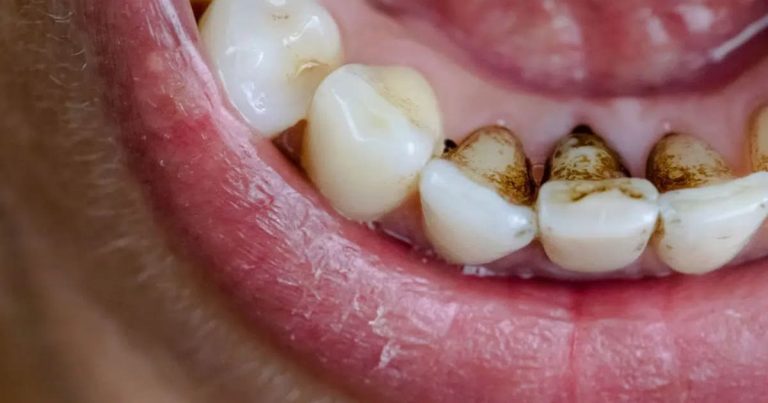
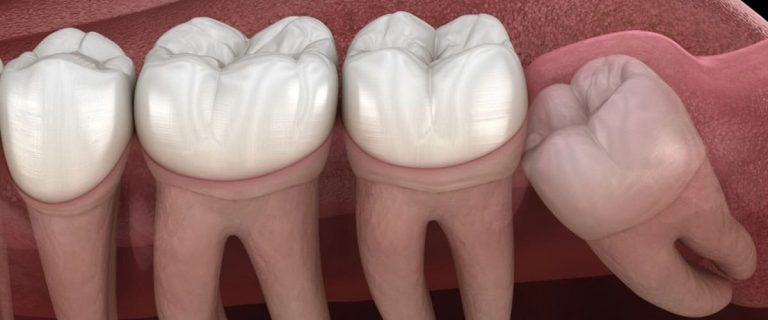
More than 60% of patients who come to Langley Dental Group for tooth decay treatment come to us when it is too late and their treatment would require a root canal or even a tooth replacement. When we asked them why they were late, we found that most of them were unaware of what happens if you ignore tooth decay and thought they still had time to treat it with dental fillings. That is why we are going to tell you how tooth decay progresses and why you should not ignore it.
Stages of Tooth Decay
Tooth decay progresses gradually, and understanding what happens if you ignore tooth decay can help you recognize the problem before it reaches deeper parts of the tooth and causes more serious complications.
1. Tooth Decay Begins and Damage to Tooth Enamel
Tooth decay usually begins in the tooth enamel. Bacteria in the mouth produce acid, gradually weakening this protective layer. At first, only white spots may be visible on the tooth, and there is no pain or sensitivity yet; for this reason, many people do not notice the beginning of decay.
2. Progression of Decay and Its Reaching the Dentin
As decay continues, the damage passes through the tooth enamel and reaches the dentin. Since dentin has a softer texture, decay can progress faster in it. For this reason, your tooth may sting or hurt slightly when you eat cold, hot, or sweet foods.
Is Tooth Decay Getting Worse?
A small cavity may not hurt much at first, but delaying treatment can give decay time to reach the nerve and lead to more complex treatment. If you have tooth sensitivity, pain, or a visible cavity, contact My Dentist Langley before the problem gets worse.
3. Tooth Decay Reaching the Nerve
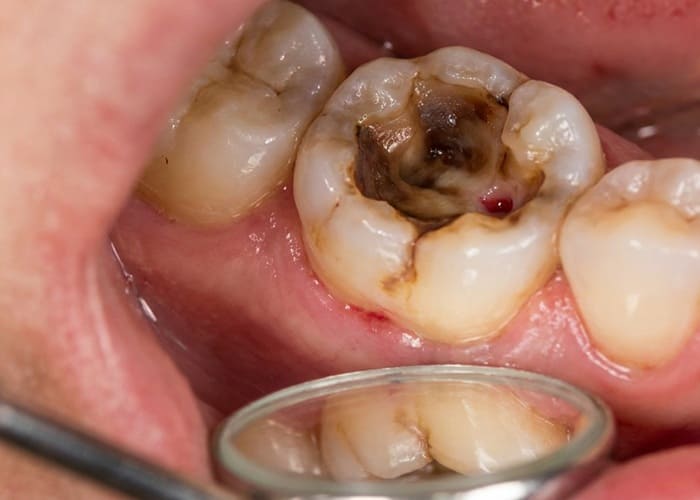
As decay continues, damage occurs to the inner part of the tooth, the pulp, or nerve of the tooth. At this stage, the pain usually becomes more severe, and the tooth may even start to hurt for no apparent reason. If decay reaches the nerve, a root canal is needed to save the tooth.
4. Tooth Infection and Abscess Formation Due to Decay
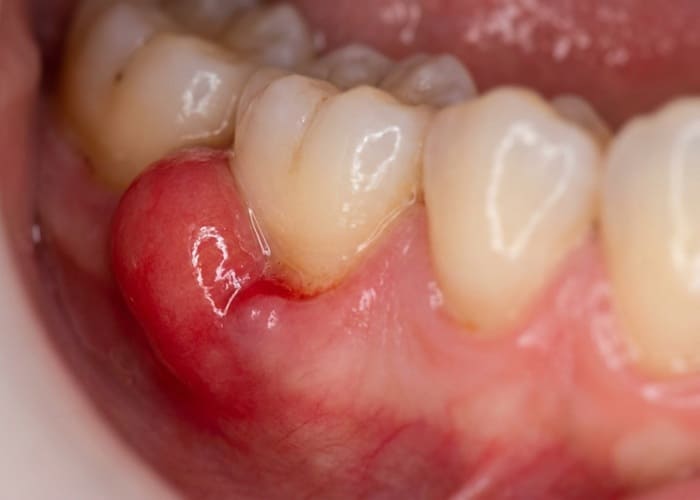
Ignoring decay can cause the infection to spread around the root of the tooth and create an abscess. An abscess is usually accompanied by severe pain, swelling of the gums or face, and a feeling of pressure in the tooth area.
Symptoms of Tooth Decay You Shouldn’t Ignore

Dr. Hooman Moghavemi says that the symptoms of tooth decay may seem simple at first, but you shouldn’t ignore them. These symptoms include:
- Sensitivity to cold and heat
- Pain when chewing
- Holes or cavities in the tooth
- Discoloration or stains on the tooth
- Bad breath or an unpleasant taste
- Sudden or unexplained pain
If you experience any of these symptoms, it’s best to see a dentist for a checkup and treatment. Also, if you don’t know what cavities look like, we recommend reading our related post titled What Does a Cavity Look Like.
Complications of Ignoring Tooth Decay
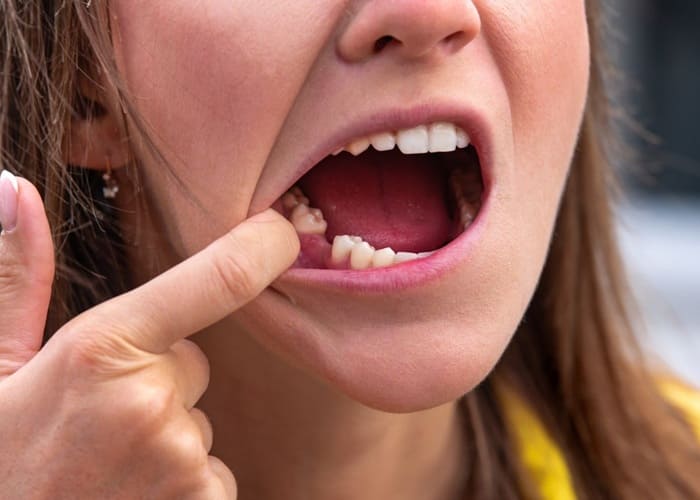
Knowing what happens if you ignore tooth decay is important because untreated decay can cause various problems for your oral health. The most important complications are:
- Severe and persistent pain: Continuing decay can cause pain that affects sleeping, eating, and daily activities.
- Breaking or serious damage to the tooth: As the tooth structure weakens, it is more likely to crack, chip, or break.
- Spread of infection to surrounding tissues: In severe cases, infection from decay may reach the gums, tissues around the tooth, and jaw.
- Need for more complex treatments: If treatment is delayed, you may need treatments such as root canals, crowns, or even tooth extractions.
- Tooth loss: In some cases, the damage to the tooth becomes so severe that it cannot be saved and the tooth must be extracted.
- Increased cost and treatment time: The longer treatment is delayed, the longer the treatment process usually takes and the more expensive it becomes.
Read More: Are Tooth Fillings Painful? What to Expect and Everything You Need to Know
How to Prevent Tooth Decay from Developing?
To prevent tooth decay from developing, you need to take care of your teeth seriously. Dr. Nazanin Gerami suggests some simple but effective tips:
- Maintain good oral hygiene: Brush your teeth twice a day and floss daily to remove plaque and food particles from between your teeth.
- Reduce your intake of sugary foods: Sugary foods can increase your risk of tooth decay. It’s best to limit your intake.
- Use fluoride products: Fluoride-containing toothpaste and mouthwash help strengthen tooth enamel and make teeth more resistant to decay.
- Regular visits and timely treatment: Regular visits to the dentist help detect cavities early and treat them before they cause more damage to your teeth.
If you’re not sure how often you should visit the dentist, the post How Often Should Langley Families Visit the Dentist? A Guide by Age Group can help.
Conclusion
If you’re wondering what happens if you ignore tooth decay, a small cavity can eventually progress to infection, nerve damage, and even tooth loss. Ignoring tooth decay can make the treatment process more difficult and lead to more serious damage. By maintaining good oral hygiene and visiting your dentist regularly for teeth cleaning, you can detect decay early and take action before it progresses.
FAQ
How to recognize tooth decay between teeth?
This type of decay is usually not visible to the eye and can only be detected with an X-ray in the dental office; that is why periodic checkups are very important.
Do children also get tooth decay?
Yes, you might think that because baby teeth eventually fall out, their decay is not a big deal; but that is not the case. The enamel of baby teeth is thinner and decay can progress faster in them. Therefore, timely care and treatment of baby teeth is as important as permanent teeth.
Will a filled tooth decay again?
Yes, especially if you do not maintain good oral hygiene. The accumulation of plaque and bacteria around the tooth filling can cause tooth decay again.
Why do some women develop tooth decay after pregnancy?
Hormonal changes during pregnancy can make gums and teeth more sensitive. On the other hand, frequent nausea and vomiting cause stomach acid to come into contact with the teeth and damage the tooth enamel over time.
Does smoking affect tooth decay?
Yes, smoking reduces saliva secretion and causes dry mouth, which makes plaque and bacteria accumulate on the teeth more easily and increases the likelihood of tooth decay.
Have you ever ignored a cavity because it didn’t hurt, only to notice it getting worse later? Tell us about your experience in the comments. What was the first sign you noticed?