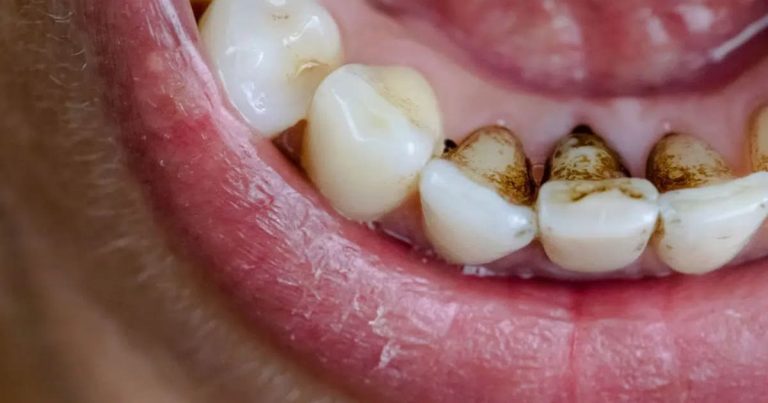
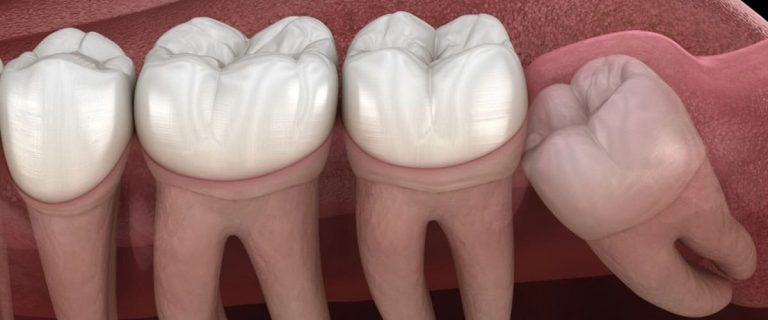
Wisdom teeth are the last molars in your jaw that usually grow between the ages of 17 and 25, of course, if your jaw has enough space for another tooth! If there is not enough space, the wisdom tooth cannot grow properly and may even remain impacted. In such a situation, the dentist recommends Wisdom Teeth Extraction to prevent further problems. But how do we know if a wisdom tooth needs to be extracted? Below, we will tell you the most important wisdom tooth removal signs and symptoms.
What Is an Impacted Wisdom Tooth?
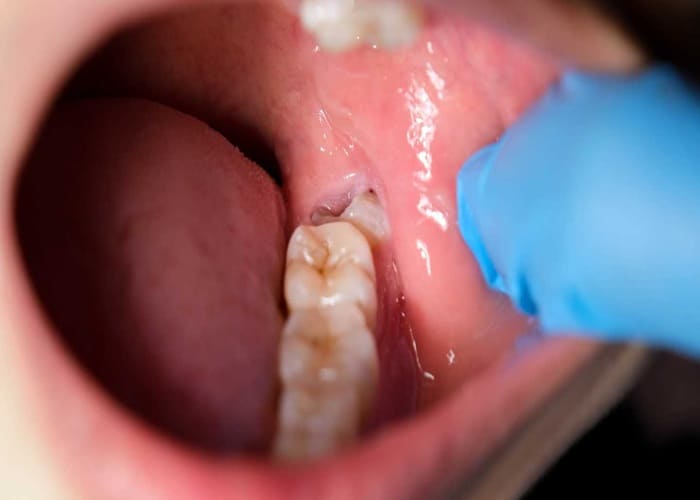
An impacted wisdom tooth is a tooth that cannot fully emerge from the gum and remains within the gum or jawbone. If only part of the crown of the tooth has emerged, it is called a partially impacted wisdom tooth.
Factors such as lack of space in the jaw, the thickness of the gum tissue, or an improper angle of growth can prevent the wisdom tooth from erupting naturally.
Signs That a Wisdom Tooth Needs to Be Extracted
Pain and inflammation around the wisdom tooth do not always mean it needs to be extracted, but some wisdom tooth removal signs can indicate a problem. These include:
Persistent pain at the base of the jaw

The first common symptom is pain at the back of your jaw. If you have persistent throbbing or shooting pain behind your last molar, it may be due to the wisdom tooth pressing on the adjacent teeth and should be checked by a dentist.
Swelling and inflammation of the gums around your wisdom tooth
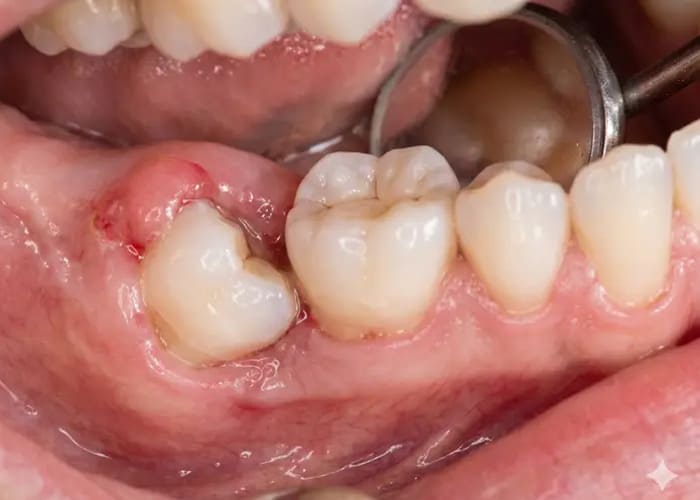
When your wisdom tooth is growing, the gums around it may become swollen, red, and tender. This is more common in partially impacted teeth, and in some cases, inflammation of the gums around your wisdom tooth can be accompanied by pain when touched or bleeding.
Difficulty opening your mouth or pain when chewing
If you’ve recently felt pain or strain in your jaw when chewing or opening and closing your mouth, your wisdom tooth may be pressing on your teeth and surrounding tissues.
These symptoms can be a sign of improper growth of the wisdom tooth or the presence of infection around it.
Experiencing Wisdom Tooth Pain or Other Warning Signs?
At My Dentist Langley, we can examine your wisdom teeth and help identify signs of problems before they lead to more serious issues. Contact us today to schedule a dental evaluation and get the care you need.
Infection and pus discharge from around the wisdom tooth
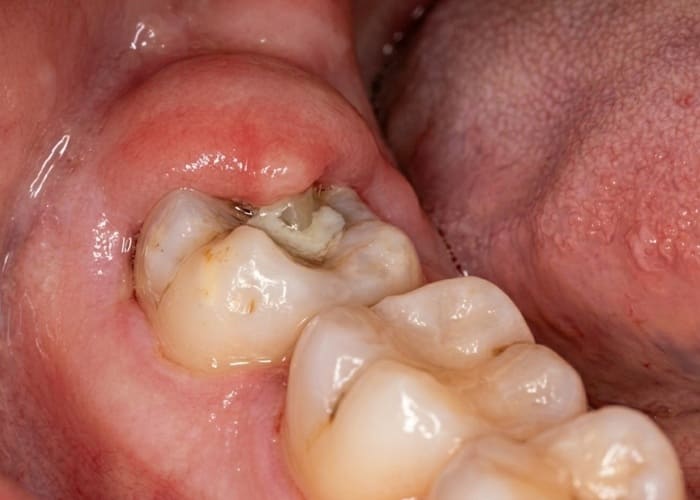
The discharge of pus or purulent fluid from around the wisdom tooth is one of the important signs of infection in this area. This problem may be accompanied by symptoms such as gum sensitivity, swelling, pain, swollen lymph nodes, or a mild fever. You may also feel bad breath or a bitter and unpleasant taste in your mouth in these conditions.
Pressure on neighboring teeth and tooth crowding
Improper growth of wisdom teeth can put pressure on the adjacent molar. This pressure may cause pain, damage to the root of the neighboring tooth, or a feeling of pressure and discomfort in the jaw. In some cases, wisdom teeth can change the position of the surrounding teeth over time. These are also among the common wisdom tooth removal signs that may require a dental examination.
Ear and headache pain caused by wisdom teeth

Wisdom tooth pain is not always felt only in the jaw area and may be transmitted to the ear and even parts of the head. For this reason, some people experience symptoms such as headaches, earaches, or facial pain along with wisdom teeth problems. This pain is usually caused by irritation of the nerves around the tooth.
What Symptoms Require Immediate Dental Care?

Some wisdom tooth removal signs require immediate evaluation and should not be delayed in seeing a dentist.
- Fever and severe swelling of the face or jaw
- Difficulty swallowing or breathing
- Severe and unbearable pain
- Inability to open the mouth completely
- Pus coming out of the wisdom teeth along with swelling and severe pain
In such cases, see an emergency dentist as soon as possible. How to Find the Best Emergency Dentist Near You? here is A Quick Guide
What Happens if You Ignore the Symptoms of Wisdom Teeth?
Ignoring the symptoms of wisdom teeth can lead to more serious problems. The most important complications of ignoring these symptoms are:
- Recurrent infections around the wisdom teeth
- Damage to adjacent teeth
- Decay of the wisdom teeth or adjacent teeth
- Inflammation and gum disease
- Cyst formation around the wisdom teeth
- Difficulty in removing wisdom teeth in the future
Read more: What’s Covered by the CDCP in 2025?
When Wisdom Teeth Removal Is Not Necessary
No, not all wisdom teeth need to be extracted. If the wisdom tooth is fully and healthily erupted, has enough space, and is not causing pain, infection, or damage to neighboring teeth, it can usually be saved. However, if there are problems such as impaction, inflammation, infection, or pressure on neighboring teeth, your dentist may recommend extraction.
How Does a Dentist Determine if a Wisdom Tooth Needs to be Extracted?

To decide whether to extract a wisdom tooth, the dentist first examines the condition of the tooth, gums, and symptoms of the patient. Then, using radiographic images such as panoramic (OPG) or 3D (CBCT), the dentist examines the location of the tooth, the direction of growth, and the condition of the roots to determine whether the wisdom tooth is putting pressure on the nerve, sinus, or adjacent teeth.
Finally, the dentist decides whether the wisdom tooth needs to be extracted or should only be observed, based on the results of the examination and images.
When is the Best Time to Have Your Wisdom Teeth Checked and Extracted?
The best time to have your wisdom teeth examined and extracted is usually between the ages of 17 and 25. At this age, the roots of the tooth are not yet fully developed and it is easier to extract the wisdom tooth. However, the right time is different for each person and depends on the condition of the tooth, how it has grown, and the dentist’s opinion.
Temporary Solutions to Reduce Wisdom Tooth Pain
Until you see a dentist, you can temporarily reduce wisdom tooth pain and inflammation with a few simple measures:
- Maintain oral hygiene, brush your teeth gently, and keep the area around your wisdom tooth clean
- Rinse your mouth with lukewarm salt water to reduce gum inflammation
- Use appropriate painkillers as prescribed by your doctor
- Avoid chewing food on the side where your wisdom tooth hurts
- Place a cold compress on your cheek to temporarily reduce pain and swelling
In addition to the above, we recommend reading our related article titled Tooth Pain That Comes and Goes? Here’s When to See a Dentist
Conclusion
Wisdom teeth are not always a problem, and if they grow in properly, they may not need to be extracted. But if you experience symptoms such as persistent pain, inflammation, infection, bad breath, or pressure on adjacent teeth, these may be wisdom tooth removal signs that should be taken seriously. It is best to take them seriously and visit an Emergency Dentist in acute situations. Remember, whether or not your wisdom tooth needs to be extracted will be determined after an examination by your dentist. Visiting on time can also prevent problems such as infection, decay, and damage to surrounding teeth.
FAQ
1. When do wisdom teeth need surgery and how long does the surgery take?
If the wisdom tooth is impacted or partially impacted or is not in the right position, surgery may be needed to remove it. The duration of the surgery depends on the condition of the tooth, but in most cases it takes between 20 and 45 minutes.
2. Does wisdom tooth extraction hurt?
No. You will not feel any pain during wisdom tooth extraction due to the use of local anesthesia. After the anesthesia wears off, you may have mild pain or discomfort for a few days, but this pain can be controlled with painkillers prescribed by the dentist.
3. Can wisdom teeth be extracted during pregnancy?
Yes, if the wisdom tooth is causing severe pain, infection, or a serious problem, it may be extracted with the advice of the dentist and the mother’s condition. However, if there is no urgent problem, it is better to postpone this until the appropriate time.
4. What foods are best to eat after wisdom tooth extraction?
In the first few days, it is best to eat soft foods such as soup, puree, yogurt, and smoothies. It is also best to avoid eating hard, hot, or spicy foods until the pain and swelling have subsided.
5. How long does it take to recover after wisdom teeth extraction?
Most people feel better after 3 to 7 days, and the pain and swelling are less. Of course, it may take a few weeks for the extraction site to fully heal.
6. Does wisdom tooth extraction change the shape of your face?
No. Wisdom tooth extraction does not change the shape of your face or shrink your jaw. Your face may look different for a few days due to swelling after surgery, but this is temporary.
Have you experienced pain, swelling, or other symptoms related to your wisdom teeth? Share your experience in the comments and let us know what signs you noticed first.