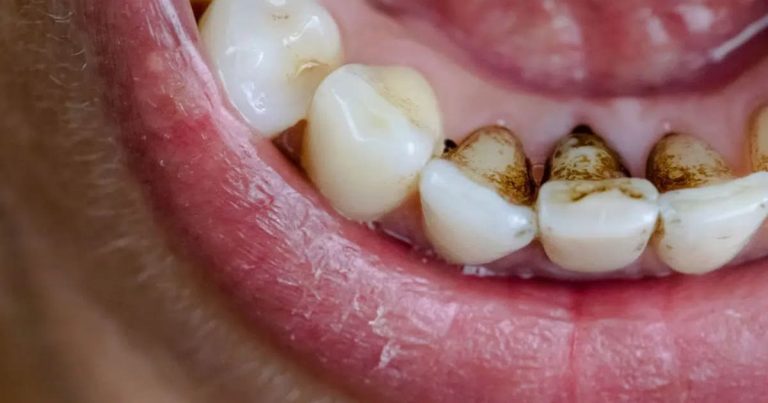
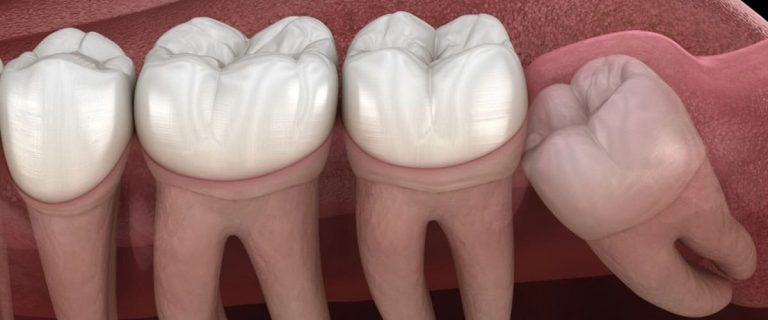
After orthodontic treatment, your teeth may be a little more sensitive than before. This sensitivity is often temporary, but sometimes it raises the question of whether it is part of the natural healing process. Understanding what causes this sensitivity and the difference between normal and abnormal symptoms can help prevent unnecessary worry. Below, we discuss the causes of tooth sensitivity after orthodontic treatment, as told by an orthodontist in Langley, and ways to reduce it.
Is it normal for teeth to become sensitive after braces are removed?

Yes. In most cases, sensitive teeth after orthodontic braces are removed are completely normal and nothing to worry about. During treatment, the teeth and the tissues around them are put under pressure to adjust to their new position. For this reason, after braces are removed, teeth may be more sensitive to cold, heat, sweet foods, or pressure when chewing for a while.
What causes tooth sensitivity after orthodontics?
Tooth sensitivity after orthodontics occurs due to changes in the teeth and the tissues around them. This sensitivity can have several reasons:
1. Tooth surface exposure
During orthodontic treatment, part of the tooth surface is under the brackets. After the brackets are removed, these parts are exposed to air, food, and drinks again, and the teeth may become more sensitive than before.
2. Changes in the gums and tissues around the teeth
During orthodontics, the teeth gradually move, and this movement affects the gums and tissues that support the teeth. For this reason, these tissues may still be slightly sensitive or inflamed after the brackets are removed.
Concerned About Tooth Sensitivity After Orthodontic Treatment?
If your teeth still feel sensitive after your braces have been removed, a professional exam can identify the cause and help prevent small problems from becoming bigger ones. At My Dentist Langley, we assess post-orthodontic tooth sensitivity, provide the right treatment, and answer any questions about your recovery.
3. Accumulation of tartar and plaque during treatment
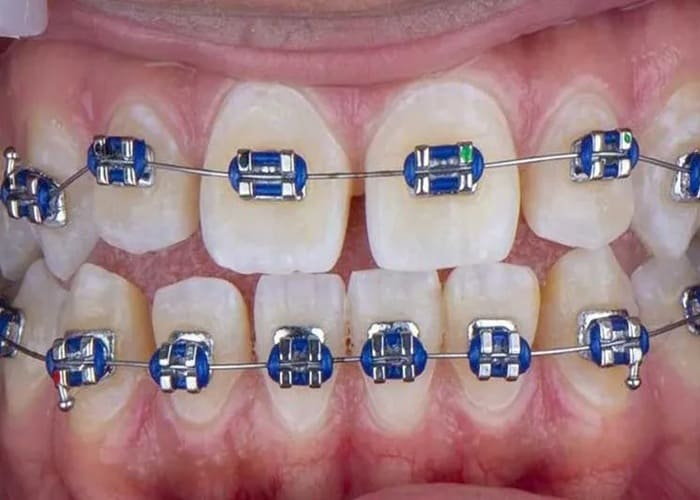
The presence of orthodontic brackets and wires can make it more difficult to clean your teeth and cause more plaque and tartar to accumulate. If not thoroughly cleaned after treatment, these deposits can cause gingivitis and increased tooth sensitivity.
4. Hidden cavities after braces are removed
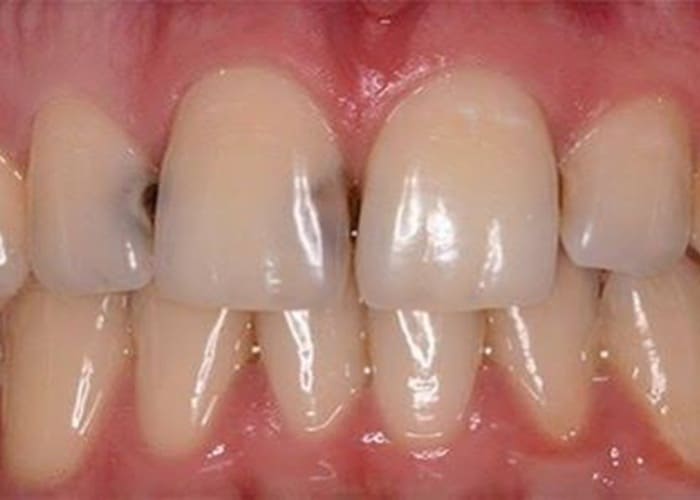
In some cases, small cavities develop under the brackets or between the teeth during treatment and are not visible until the brackets are removed. After treatment, these cavities can cause tooth sensitivity if left untreated.
5. Weakened tooth enamel
Improper oral hygiene during orthodontic treatment can cause weakened tooth enamel and the formation of white, chalky spots on the surface of the teeth. These changes reduce tooth resistance and make teeth more sensitive to cold, heat, and sweet foods.
What are the symptoms of tooth sensitivity after orthodontics?
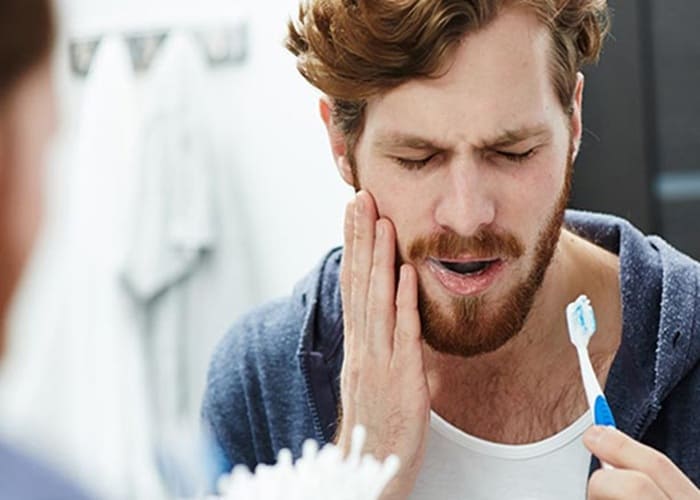
Tooth sensitivity after orthodontics is usually accompanied by the following symptoms:
- Tooth sensitivity when eating cold or hot foods
- Sensitivity to sweet or acidic foods
- Mild pain when chewing hard foods
- Discomfort when brushing or touching your teeth
- Pain that usually resolves on its own after a few moments.
As mentioned, many of these symptoms are normal in the Orthodontic Braces Treatment Process and there is no need to worry.
How long does tooth sensitivity last after orthodontics?
The duration of tooth sensitivity after orthodontics varies from person to person, but in most cases, it gradually decreases over 3 to 7 days. This period may vary slightly depending on the amount of tooth movement, the condition of the gums, and the condition of the mouth and teeth.
How to reduce tooth sensitivity after orthodontics?
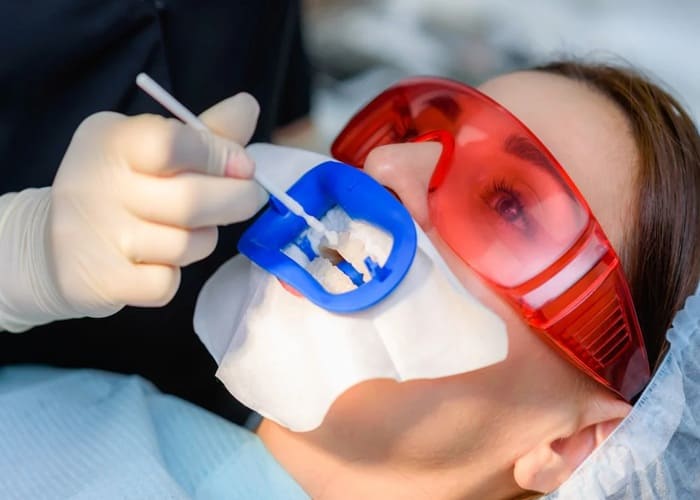
To reduce tooth sensitivity after orthodontics, a few simple precautions can help reduce pain and discomfort.
- Using toothpaste for sensitive teeth: These toothpastes help reduce sensitivity to cold, heat, and sweet foods by reducing nerve irritation in the teeth.
- Avoiding irritating foods: In the early days, it is better to limit the consumption of very cold, hot, sweet, or acidic foods and drinks.
- Brushing with a soft toothbrush: Brushing with too much pressure can irritate sensitive teeth and gums. It is better to use a soft toothbrush and brush your teeth gently and in the correct way.
- Using fluoride mouthwash: Mouthwashes containing fluoride help strengthen tooth enamel and reduce sensitivity.
- Fluoride therapy if needed: In case of severe sensitivity, the dentist can reduce tooth sensitivity with fluoride therapy.
In most cases, your dentist can help you reduce tooth sensitivity by performing a teeth cleaning and providing some home remedies.
How to distinguish between normal and abnormal sensitivity after orthodontics?
To distinguish between normal and abnormal tooth sensitivity after orthodontics, you can compare the following symptoms.
| Normal Sensitivity After Orthodontic Treatment | Abnormal Sensitivity After Orthodontic Treatment |
| Mild, short-lasting pain when consuming cold, hot, or sweet foods | Severe, persistent, or throbbing pain |
| Pain occurs only when in contact with a stimulus | Pain occurs without a clear cause or stimulus |
| Sensitivity gradually decreases over time | Pain intensity increases over time |
| Pain subsides within a short period | Pain persists for a long time |
| No swelling, inflammation, or gum problems | Accompanied by gum swelling, abscess, fever, or inflammation |
| Usually does not interfere with daily activities or sleep | Severe pain disrupts sleep or daily activities |
When should you see a specialist?
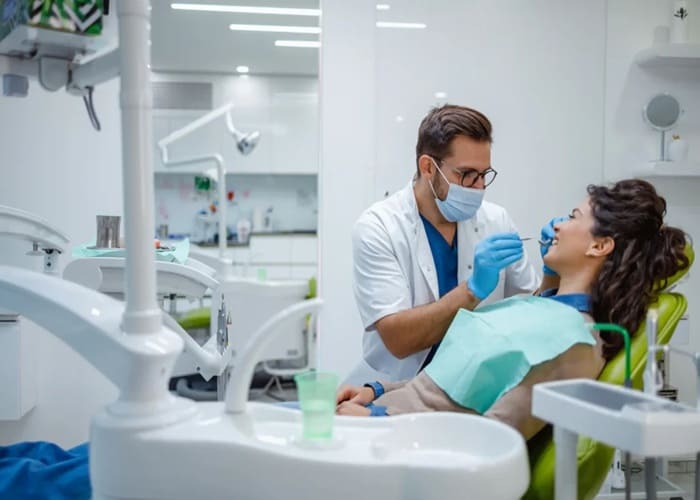
If tooth sensitivity does not gradually decrease after orthodontics, if it increases in severity, or if it is accompanied by symptoms such as severe and throbbing pain, pain without a clear cause, swollen gums, abscesses, fever, or loose teeth, it is best to see a dentist to investigate the cause and prevent further problems.
Don’t Ignore Ongoing Tooth Sensitivity After Braces Removal
Tooth sensitivity after orthodontics is most often a temporary reaction to the changes made during treatment and will subside over time. Taking proper care of your teeth and paying attention to any unusual symptoms will help you get through this period better.
If sensitivity persists or you experience any unusual symptoms, our Same-Day Emergency Dentist in Langley Dental Group can evaluate the cause of your discomfort and provide the appropriate care to address ongoing tooth sensitivity after orthodontic treatment.
FAQ
1. Does teeth whitening after orthodontics cause increased sensitivity?
Yes. Bleaching immediately after removing braces may increase tooth sensitivity. It is best to let the initial sensitivity resolve first and then proceed with teeth whitening with the advice of a dentist.
2. Does everyone experience tooth sensitivity after orthodontics?
No. The severity of sensitivity varies from person to person. Some people only have mild sensitivity for a few days, and some may not experience any sensitivity at all.
3. Can a retainer cause tooth sensitivity after orthodontics?
Usually no. However, if the teeth are slightly shifted or the retainer is causing pressure, you may feel pressure or discomfort for the first few days. This is usually temporary.
4. Does sensitivity occur in all teeth after orthodontics?
No. Sensitivity may only be felt in some teeth. Typically, teeth that have moved more during treatment or have weaker enamel are more likely to be sensitive.
Have you experienced tooth sensitivity after orthodontic treatment? Tell us how long it lasted or what helped reduce it. Your experience may help other readers going through the same stage.