Choosing the right orthodontic treatment starts with understanding the available options and how they align with your individual needs. The decision involves more than simply straightening teeth it requires selecting a treatment plan that complements your lifestyle and aesthetic goals. Whether you are considering traditional braces, clear aligners such as Invisalign, or other orthodontic appliances, the ideal choice should balance effectiveness, appearance, comfort, and cost.
This guide reviews the most common orthodontic treatments, explains how they work, and helps you determine the option best suited to your smile and lifestyle.
Orthodontic Treatment Options: Understanding Your Choices
Orthodontic treatment corrects misaligned teeth and jaws, improving both function and appearance. Standard solutions include traditional metal braces, ceramic braces, lingual braces, and clear aligners such as Invisalign. Each works by applying controlled forces to gradually move teeth into position.
Cosmetic dentistry services often integrate orthodontic care to enhance both alignment and smile aesthetics. By starting with a thorough consultation to assess your bite, jaw structure, and oral health. Orthodontics for children is a prime indicator of why early orthodontic assessments can make treatment more efficient and comfortable, which is why choosing the right orthodontic treatment is critical.
Benefits of Orthodontic Treatments
| Benefit | Description |
|---|---|
| Enhances Bite Function | Corrects issues like overbites, underbites, or crossbites, improving chewing, speaking, and jaw comfort. |
| Prevents Long-Term Damage | Aligning teeth properly reduces wear, tooth grinding, and difficulty cleaning, helping to prevent tooth decay and gum disease. |
| Improves Self-Esteem | Straightening teeth boosts confidence and enhances facial aesthetics, leading to a more harmonious smile. |
| Reduces Jaw Pain | Proper alignment alleviates stress on the jaw joints, reducing discomfort or strain. |
| Improves Oral Hygiene | Straight teeth are easier to clean, reducing the risk of plaque buildup and cavities. |
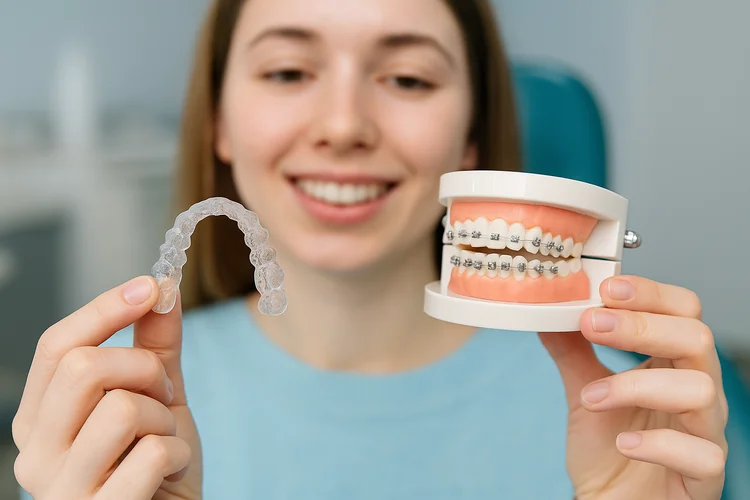
Overview of Orthodontic Treatments
Before we get into our own overview of orthodontics, it’s good to take a look at what other authentic health magazines like the Cleveland Clinic say about orthodontics:
“Orthodontics is a dental specialty focused on aligning your bite and straightening your teeth. You might need to see an orthodontist if you have crooked, overlapped, twisted, or gapped teeth. Common orthodontic treatments include traditional braces, clear aligners, and removable retainers.”
Traditional Braces
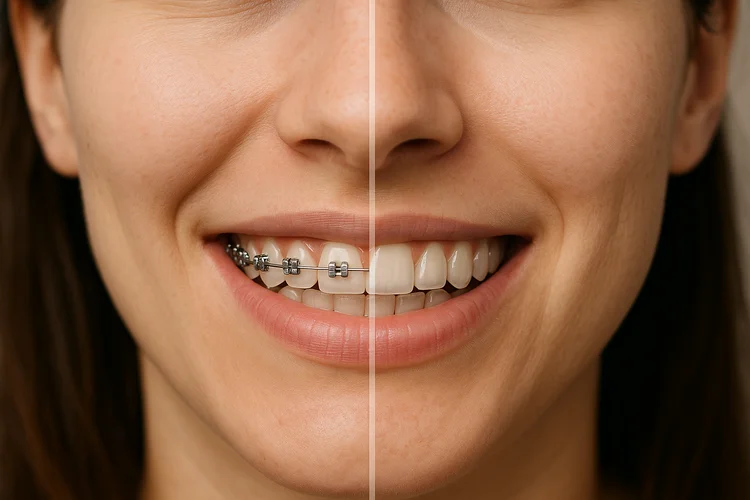
They use brackets and wires to reposition teeth with precision, typically over a period of 18–24 months. Traditional braces are designed to move teeth gradually over time, allowing orthodontists to achieve precise control and optimal results.
Read more: Direct vs. Indirect Dental Restorations
Ceramic Braces
Ceramic braces function similarly to metal braces but use tooth-colored or clear brackets for a more discreet appearance. Clear ceramic braces are a popular choice for adults and teens who want less visible treatment.
Ceramic braces offer a more aesthetic alternative to metal braces, providing a discreet treatment option without compromising effectiveness. Their white brackets blend seamlessly with the natural color of your teeth, making them a popular choice for both adults and teens.
Lingual Braces
Placed on the back of the teeth, lingual braces are hidden from view. While they may initially affect speech, they are a good option for patients who want an invisible fixed appliance.
Lingual braces offer a completely hidden option by placing brackets on the back of the teeth. Although they may feel uncomfortable initially, they are an excellent choice for those seeking effective treatment without visible appliances.
Invisalign
Invisalign utilizes clear, removable aligners to move teeth over time gently. They’re discreet, comfortable, and make oral hygiene easier. Many adults prefer Invisalign for its convenience, but it’s also suitable for younger patients after assessment by our pediatric dentistry team.
Read more: Can Invisalign Fix My Smile?
Invisalign aligners are tailored to fit your teeth and gradually move them into position, with the added benefit of being virtually invisible. The removability of Invisalign makes it easier for patients to maintain oral hygiene and eat comfortably throughout the treatment.
Other Appliances
In addition to the primary treatment options, other orthodontic appliances, such as retainers and expanders, may be used to support treatment. These are typically recommended after the main alignment phase to help maintain results or address specific jaw alignment issues.
In more critical treatment plans, prosthodontics may be recommended after orthodontics to restore full function and aesthetics if you are stuck with choosing the right orthodontic treatment.
For individuals with significant dental anxiety, our sedation dentistry options may help ensure a calmer experience.
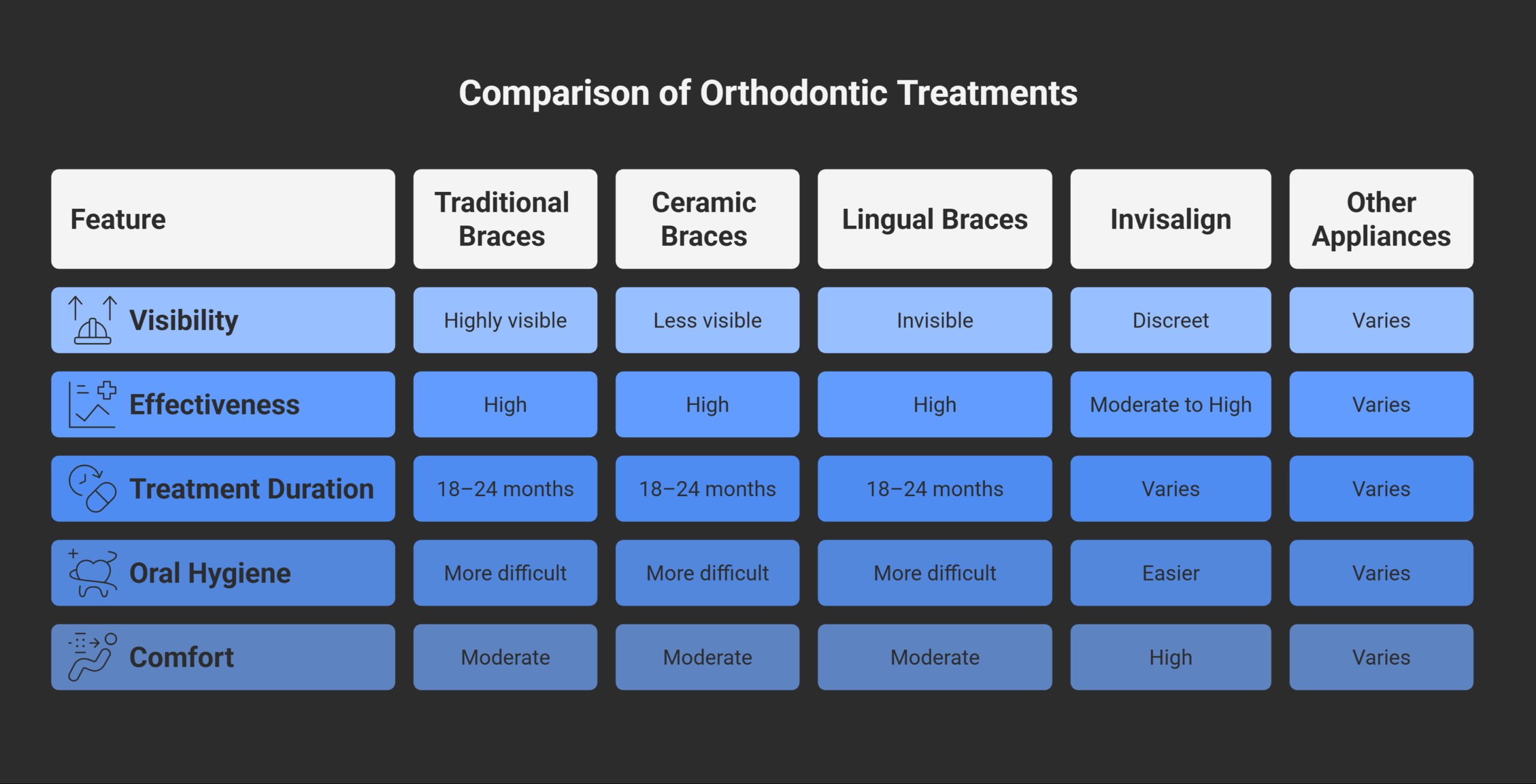
At My Dentist Langley, we offer comprehensive orthodontic solutions, from braces to Invisalign, tailored to your needs.
Act Now to Start Choosing the Right Orthodontic Treatment
Your dental needs, lifestyle, and long-term goals should guide your decision on which orthodontic treatment is best for you. Braces can address complex misalignments, while Invisalign offers flexibility and discretion for milder cases.
Keep in mind that you can access all types of orthodontic treatment services of the highest quality at My Dentist Langley. Therefore, choosing the right orthodontic treatment that suits your current condition and scheduling an appointment are the best steps you can take.
FAQ
Here are answers to the most common questions patients ask when choosing between braces, Invisalign, and other orthodontic treatments.
-
How do I choose between braces and Invisalign?
Consider the complexity of your case, your lifestyle, and aesthetic preferences.
-
Are there cheaper alternatives to braces or Invisalign?
Some patients may be eligible for partial treatments or limited appliances. Your orthodontist can help you decide based on your needs and budget.
-
How long does each orthodontic treatment take?
Braces typically take 18–24 months, while Invisalign averages 12–18 months.
-
Can adults use Invisalign or other options?
Yes. Many adults choose Invisalign for its discreet appearance, but braces are equally effective
-
What’s the most comfortable orthodontic treatment?
Invisalign often causes less irritation than braces, but any tooth movement may involve mild discomfort.
Which matters more to you in orthodontic treatment? Speed, appearance, or comfort? Share your thoughts below and join the conversation.