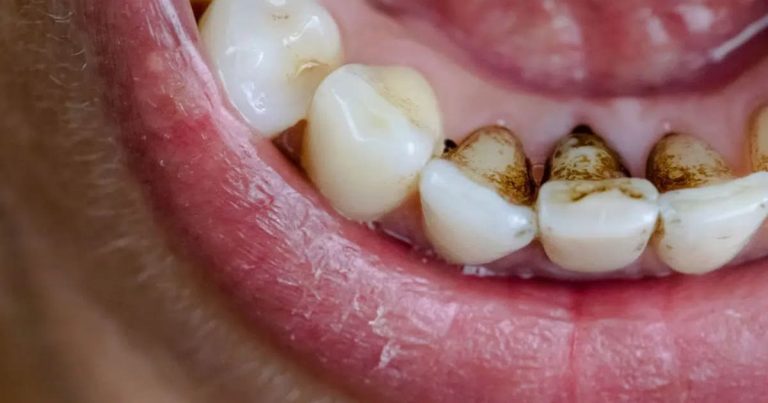
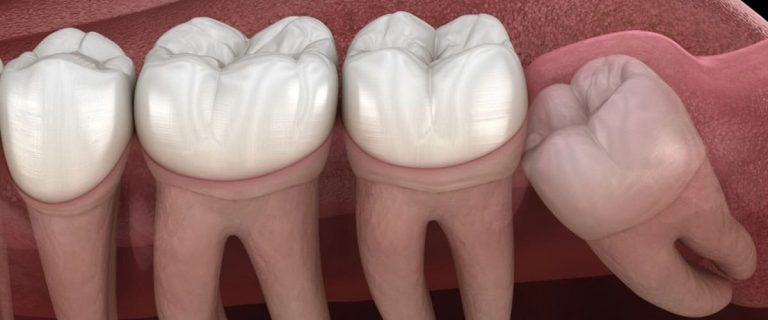
Most people are unaware that dental fillings are essential because they halt tooth decay, restore the tooth’s structure, and prevent more severe problems, such as root canal therapy or tooth loss. When cavities are left untreated, bacteria can penetrate deeper layers of the tooth, causing pain, infection, and costly procedures.
This article explains what fillings are in the first place, why dental fillings are essential, and how they help you maintain strong, healthy teeth for your entire life.

Dental Fillings: What They Are and How They Help
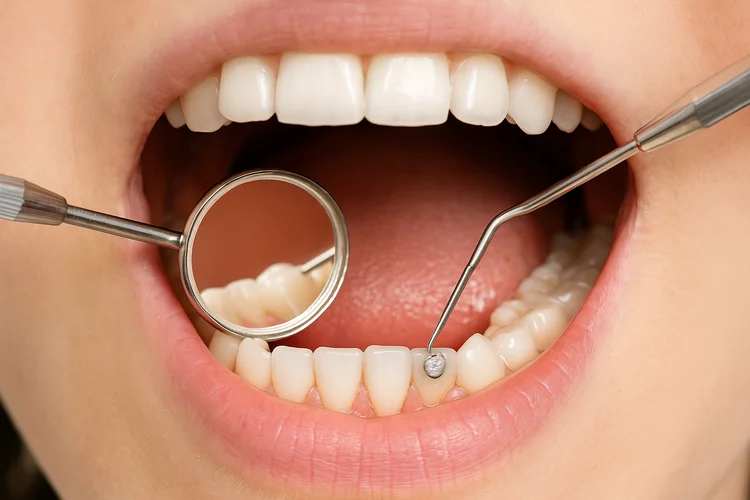
A dental filling repairs and seals a tooth that has been damaged by decay or trauma. The process involves removing decayed material, cleaning the area, and filling it with a durable material such as composite resin, amalgam, or porcelain. By sealing the cavity, a filling prevents bacteria from re-entering and halts further damage. If you want to understand the whole process and experience, our blog on ‘Are Tooth Fillings Painful?’ is a great place to start. Explains what to expect during treatment.
Types of fillings
Dental fillings are available in various materials, each with its own benefits, depending on the location of the cavity, aesthetic requirements, and the level of durability needed. Here are the most common types of dental fillings:
- Composite resin
- Amalgam
- Porcelain
- Gold
- Resilon
- Glass ionomer
- Resin ionomer
At Dentist Langley, we use advanced general dentistry techniques to ensure fillings are both functional and natural-looking, blending seamlessly with your teeth.
Why Dental Fillings Are Essential: Protecting Your Teeth
Without a filling, a cavity can spread rapidly, eroding the enamel and dentin layers. This damage can lead to pulp infection, which often requires endodontic treatment to save the tooth. Fillings also restore chewing function, helping maintain proper bite alignment and preventing strain on surrounding teeth. For patients who delay treatment, the outcome can escalate to more invasive and expensive procedures.
According to the Healthline website:
“Dental fillings are used to restore teeth damaged by decay back to their normal function, and to prevent further decay.”
Benefits of Fillings for Long-Term Oral Health
Fillings preserve more of your natural tooth structure compared to extractions or crowns. They help prevent further decay, protect the nerve from temperature sensitivity, and maintain your smile’s appearance. For example, patients who maintain their fillings with good oral hygiene and understand the benefits of flossing are far less likely to experience recurrent decay.
| Benefit | Description |
|---|---|
| Preservation of Natural Tooth Structure | Fillings help maintain more of your original tooth, preventing the need for extractions or crowns. |
| Prevention of Further Decay | By sealing cavities, fillings prevent bacteria from entering, halting the spread of decay to other teeth. |
| Protection from Temperature Sensitivity | Fillings insulate the tooth, reducing sensitivity to hot and cold, making eating and drinking more comfortable. |
| Aesthetic Appearance | Fillings blend with the natural color of the tooth, helping to maintain a healthy and attractive smile. |
| Reduced Risk of Recurrent Decay | When maintained with good oral hygiene, fillings lower the risk of cavities recurring in the same tooth. |
| Cost-Effective Treatment | Compared to crowns or extractions, fillings are a less expensive and less invasive option for addressing cavities. |
| Prevention of Tooth Loss | By preventing the spread of decay and keeping the tooth intact, fillings help avoid tooth extraction. |
| Improved Chewing Function | Fillings restore the tooth’s function, allowing you to chew properly and comfortably, without pain or discomfort. |
If you suspect a cavity or have concerns about existing fillings, our team at My Dentist Langley is here to help. We offer precise, comfortable treatments to restore your teeth and protect your smile.
Risks of Delaying or Skipping Dental Fillings
Ignoring a cavity can lead to infection, tooth fracture, or complete tooth loss. In some cases, untreated decay spreads to adjacent teeth, creating a chain reaction of damage. This can require complex restorations, dental implants, or bridges. If pain develops, you may also need urgent care from our emergency dentist, which could have been avoided with early intervention.
Delaying dental fillings might seem like a harmless decision, but the consequences can be much more severe than you think. Take a look at this list:
- Increased risk of tooth infection
- Requiring complex treatments like root canals
- Potential need for emergency dental care due to sudden pain or abscesses
- Longer recovery times
- Escalated treatment costs (compared to filling cavities early)
- Higher chance of developing abscesses
- Potential for permanent tooth loss if decay reaches the nerve
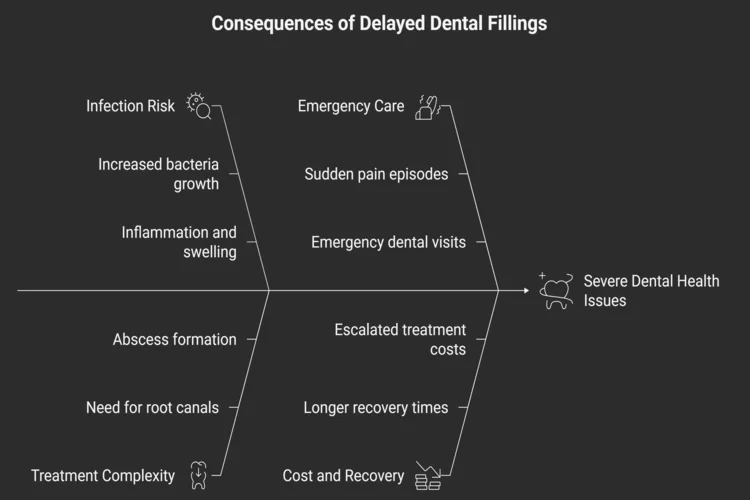
By addressing cavities early, you prevent the need for more extensive procedures and ensure that your teeth remain healthy and functional for years to come.
Read more: direct vs indirect restorations
Invest in a Healthy Smile With Dental Fillings
Dental fillings are a simple yet critical treatment that preserves your tooth, prevents the spread of decay, and maintains your long-term oral health. Addressing cavities early ensures less invasive procedures, reduced costs, and better overall function and comfort. That’s why dental fillings are essential.
Our experts at Dentist Langley are here to provide comprehensive dental services that can resolve your dental issues permanently, allowing you to maintain optimal oral health.
FAQ
Here are answers to common questions patients ask us at My Dentist Langley about dental fillings and their role in protecting oral health.
-
Why are dental fillings necessary?
Dental fillings are essential because they repair damage caused by cavities, restore function, and prevent further decay or infection.
-
Can I avoid fillings if cavities are small?
Even small cavities should be filled to stop decay from spreading. Early fillings are quicker and less invasive.
-
How long do fillings last?
Composite fillings typically last 5–7 years, while some materials can last over a decade with proper care.
-
Do fillings prevent tooth loss?
Yes. By stopping decay before it reaches the tooth’s root, fillings help prevent tooth loss
-
Are fillings painful to get?
With modern techniques and anesthesia, getting a filling is a comfortable and straightforward process.
Have you recently had a filling that made a big difference in your comfort?
Share your experience with us. Your story might encourage someone to treat their cavity before it worsens.